Reviewed · PRIVATE
17 Day Private Tour through Georgia
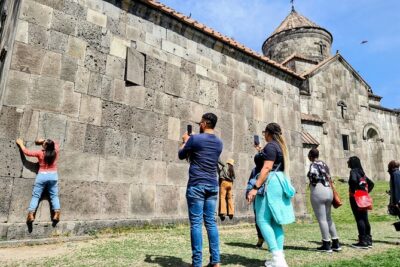
Georgia packs an astonishing range of scenery into one country: cave monasteries, medieval towers, Black Sea gardens, high mountain villages, ancient wine cellars, and Soviet-era history. This 17-day private circuit takes you from Tbilisi to nearly every major region, including Svaneti and the Greater Caucasus.
I like the careful mix of big sights and local places, from Narikala Fortress and Vardzia to family-style wine museums and village churches. I also like the generous pacing in the mountains. The tradeoff is clear: this is a long road trip with several demanding driving days, not a relaxed stay in one base.
Key points to know before booking
- Georgia from end to end: The route covers Tbilisi, Kakheti, Kazbegi, Kartli, Imereti, Svaneti, Adjara, and Samtskhe-Javakheti.
- A private guide and driver: The tour is designed for a maximum of 15 people, with professional guiding throughout. Past departures have involved guide Lasha and trip planner Dali.
- Strong mountain content: Gergeti Trinity Church, Ushguli, Shkhara Glacier views, Svaneti villages, and the Javakheti lakes are major highlights.
- Wine is part of the culture: Kakheti visits include Numisi, Tsinandali, and Twins Wine Cellar Museum, where you see traditional production methods.
- Included lodging and meals: The price covers 16 overnight stays, 16 breakfasts, three dinners, water, and entrance fees and taxes listed as included.
- Best from April through October: Spring, summer, and early autumn are the stated travel season, though mountain conditions can still affect plans.
What $4,219 covers on this 17-day Georgian circuit
At $4,219 per person, this is not a budget bus tour. The value comes from the length of the trip and the amount packed into it: 16 hotel nights, daily breakfasts, three dinners, water, listed entrance fees, and a private guide and driver arrangement.
That price makes more sense if you want one organized trip rather than arranging separate hotels, regional transfers, guides, and mountain transport yourself. Georgia’s roads connect the regions, but distances can be deceptive. A private vehicle saves you from piecing together transport to places such as Ushguli, Vardzia, and David Gareja.
The price does not include flights, insurance, visa fees, or meals not specifically mentioned. You should also check the hotel category before paying, since the itinerary and past planning notes refer to comfortable four and five-star accommodation, but the supplied tour details do not name each property.
The group limit is 15 people, though the experience is described as private. Ask how the vehicle and room arrangements work for your party. A couple, family, or small group may get the most personal feel from the trip, while a larger departure can spread the value of the private guide and vehicle across more people.
More days out of Tbilisi:
- Day Trip to Kakheti Wine Region Including 9 Wine Tastings
★ 5.0 · 2,774 reviews - Highlights of Caucasus Mountains-Jinvali,Ananuri,Gudauri,Kazbegi(Group tour)
★ 5.0 · 2,682 reviews - Day Trip to Kazbegi and Gudauri
★ 5.0 · 2,009 reviews
Tbilisi begins with churches, fortresses, and sulfur baths
Your first day is simple: airport pickup and transfer to the hotel. That is useful after an international flight, since you do not need to negotiate a new city immediately.
Day two gives Tbilisi a full introduction. You begin at Holy Trinity Cathedral, known locally as Sameba, one of the tallest Orthodox Christian churches in the world. The cathedral is modern by Georgian standards, but its scale and position make it a strong opening sight.
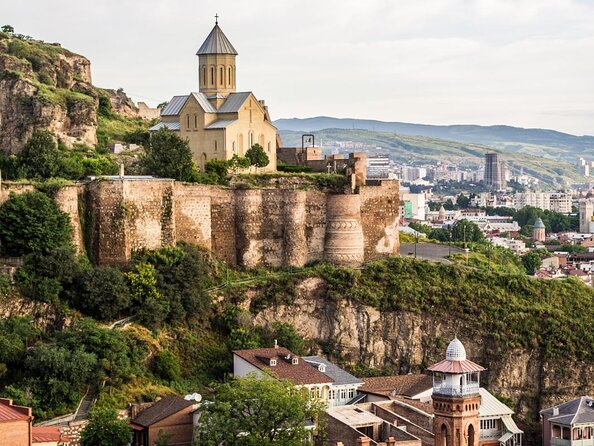
From there, the route moves to Metekhi Cathedral on the Mtkvari River. You then cross to Rike Park and take the aerial cableway up to Narikala Fortress. The ride gives you a quick view over the city, while the fortress explains why Tbilisi grew around this steep river valley.
The walk down leads through Abanotubani, the sulfur bath district. You pass the Legvtakhevi canyon and waterfall, then continue through Meidan Square and Shardeni Street, where cafes, galleries, and souvenir shops fill the old town. This part is less about checking off monuments and more about getting a feel for Tbilisi’s street life.
The Tbilisi History Museum and Georgian National Museum add context. The first focuses on city life and objects ranging from the Bronze Age onward. The national museum covers a wider sweep, from the Paleolithic era through medieval Georgia, with archaeological, ethnographic, and artistic material.
The schedule gives only 30 minutes at some stops, but 90 minutes at the national museum. If you care about museum collections, ask your guide how much time can be shifted. Tbilisi rewards wandering, and a tightly timed city day can feel full.
Kakheti combines monasteries, castles, and Georgia’s wine tradition
Day three heads southeast to David Gareja, a sixth-century monastery complex cut into the caves of Gareja Hill. The semi-desert setting is a sharp contrast to Tbilisi. Part of the wider complex lies across the border in Azerbaijan, so the site also reflects the complicated geography of this frontier region.
The route continues to Sighnaghi, a small hill town above the Alazani Valley. Defensive walls surround the town, and the setting is one of the most scenic in Kakheti. The stop is brief, so you should expect a look around rather than a slow, unplanned afternoon.
Day four is devoted to Kakheti. At Bodbe Monastery, you learn about St. Nino, the figure associated with Georgia’s conversion to Christianity. The monastery is still a working nunnery and pilgrimage site.
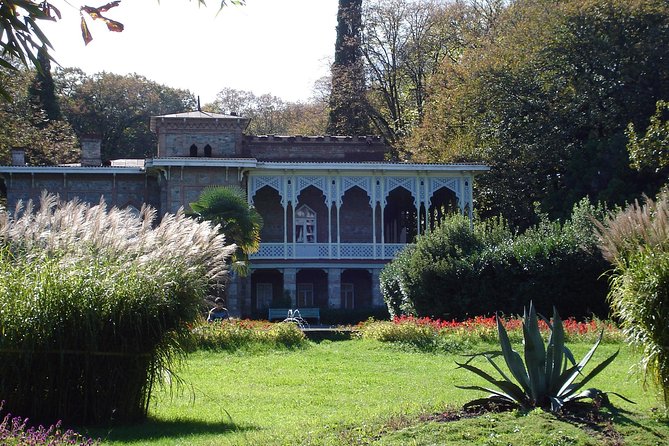
Wine becomes the main subject at Velistsikhe’s Numisi Wine Cellar Museum. Then you visit the House Museum of Alexander Chavchavadze at Tsinandali, with its residence, garden, and cellar. Chavchavadze was a nobleman, poet, military figure, and public figure in the 19th century, so this stop connects Georgian wine with the country’s literary and political past.
At Twins Wine Cellar Museum in Napareuli, transparent 500-liter pitchers let you watch stages of traditional production, including pressing, boiling, and natural filtration. This is one of the more specific cultural stops on the route, and it gives you something more useful than simply tasting wine.
Gremi finishes the day. Its church, castle, bell tower, wine cellar, and defensive walls are remnants of the former capital of Kakheti. You spend the night in Telavi, a practical base for this region.
Mtskheta and the Georgian Military Highway lead into the high Caucasus
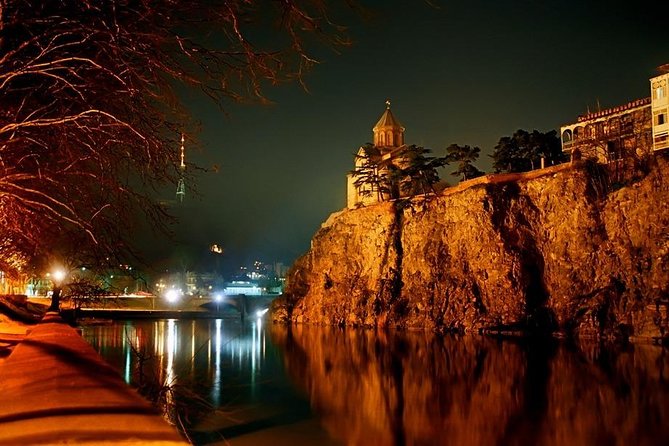
From Telavi, the route heads to Mtskheta, the old capital of the Kingdom of Iberia. The town sits where the Aragvi and Mtkvari rivers meet, and its two major monuments, Jvari Monastery and Svetitskhoveli Cathedral, are UNESCO World Heritage Sites.
The itinerary description repeats part of this day, so confirm the exact order with the operator. The planned visit also includes Ananuri Fortified Castle Ensemble before continuing north to Gudauri, at about 2,196 meters.
Day six follows the Georgian Military Highway toward Kazbegi, also called Stepantsminda. You stop at Cross Pass, about 2,395 meters high, for local mineral water. The road is a major part of the experience, with mountain scenery replacing the vineyards and lowlands of the previous days.
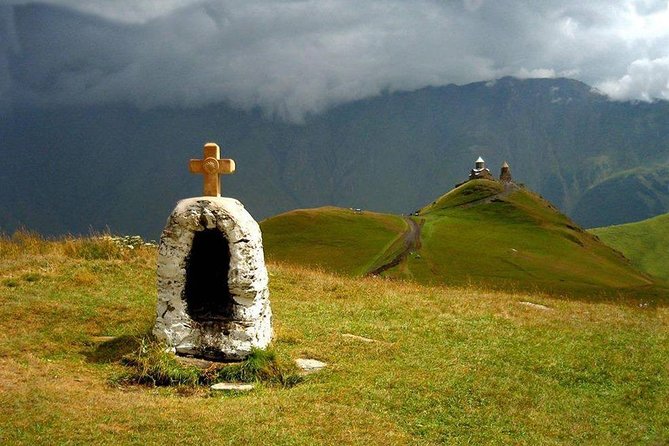
The main goal is Gergeti Trinity Church, reached by an easy walk of roughly two hours according to the tour plan. The church sits above Kazbegi town, with views toward Kazbegi Glacier and the 5,047-meter peak. You then continue toward Dariali Gorge and Gveleti Waterfalls.
This is a day to watch the weather. Mountain views can change quickly, and the walking time may feel longer at altitude. Good shoes and layers will help, even in warmer months.
A few more Tbilisi days to weigh up
- Kazbegi and Gudauri Full Day Private Tour from Tbilisi
★ 5.0 · 447 reviews - Old Tbilisi Tour: Private Walking Tour With Wine Tasting
★ 5.0 · 273 reviews - Private Tbilisi Food Tour: 9 Tastings Walk in Bohemian District
★ 5.0 · 227 reviews - Full Day Private Wine Tour in Kakheti Region with Lunch and 3 Wine Tastings
★ 5.0 · 207 reviews
Gori and Kutaisi shift the story from Soviet history to the medieval west
Day seven begins at the Stalin Museum in Gori, birthplace of Joseph Stalin. The museum presents a difficult part of 20th-century history through the life of the Soviet leader. It is an unusual stop, but it gives the route a modern political edge after so many churches and fortresses.
Nearby Uplistsikhe is far older. This rock-hewn town dates as early as the first millennium BC and includes chambers, streets, tunnels, and religious spaces. Wear shoes with a good grip, since ancient carved paths can be uneven.
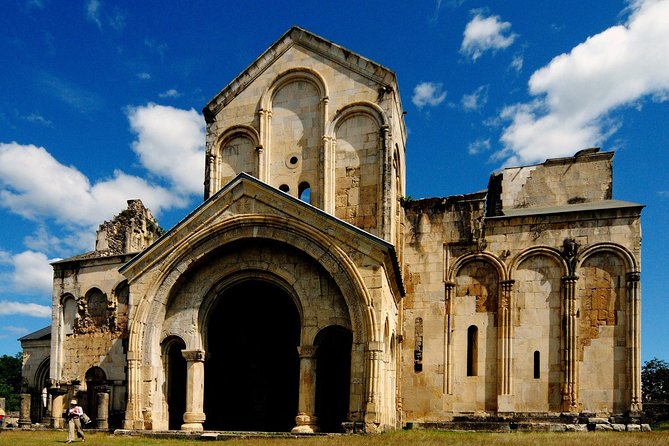
The drive west includes the Rikoti Pass, pottery, and farmers’ markets before reaching Kutaisi. In the evening, you visit Gelati Academy and Monastery and Bagrati Cathedral, both linked to Georgia’s medieval Golden Age. The schedule allows about two hours for these sites together, which gives you a useful first look but may feel short if you want time for photographs and quiet exploration.
Day eight adds Sataplia Nature Reserve, with relict deciduous forest, karst caves, and preserved dinosaur footprints. A Kutaisi market visit comes first, offering local fruit, vegetables, and Imeretian cheese. This is a good change of pace because you see ordinary food culture rather than only formal monuments.
The route then continues to Zugdidi and the Dadiani Palaces Historical and Architectural Museum. The palace collection adds regional and aristocratic history before the road climbs toward Svaneti. A stop at Enguri Dam, one of the world’s highest concrete arch dams, breaks up the drive.
Svaneti is the trip’s strongest mountain section
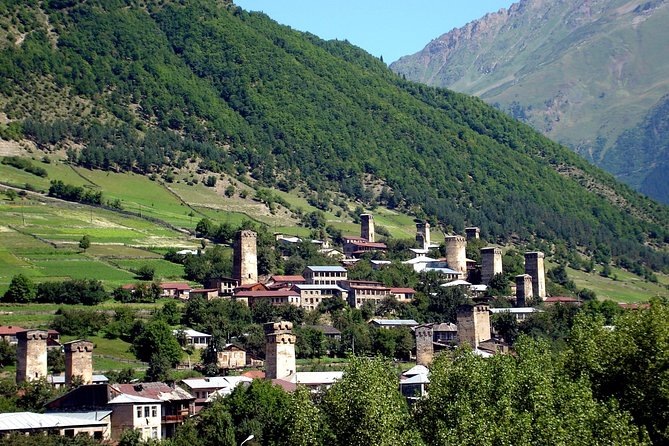
Mestia is the base for several days in Svaneti, one of Georgia’s most distinctive regions. Medieval architecture, mountain churches, and traditional housing give the area a different character from Kakheti or Kartli.
Day nine goes to Ushguli, a community made up of four villages and one of the highest continuously inhabited places in Europe. It is also part of a UNESCO World Heritage area. The road includes stops at Ipari and Kala, where you can see churches with medieval frescoes and murals.
The plan also allows an easy hike toward the foothills of Shkhara Glacier, Georgia’s highest mountain peak. This is one of the trip’s best chances to experience the mountains rather than simply photograph them from a roadside stop. At the same time, the four-hour Ushguli visit sits inside a long mountain day, so expect a full schedule and winding roads.
Back in Mestia, Margiani’s House Museum occupies an old Svan housing estate. It shows how a traditional Svan home functioned, giving you a more intimate view of local life than a large national museum.
Day ten visits the villages of Latali and Lemjeri, noted for decorated churches and medieval murals. This quieter day is welcome after Ushguli. Day eleven begins at the Svaneti Museum of History and Ethnography, whose collection includes manuscripts, archaeological objects, Orthodox icons, and Svan-style religious art.
The Svaneti section is a major reason to choose this tour, but it is also where road conditions, weather, and driving time matter most. If you prefer easy city breaks, this itinerary may feel strenuous. If mountain culture and remote villages are high on your list, the extra effort pays off.
Batumi brings the Black Sea, Roman ruins, and subtropical gardens
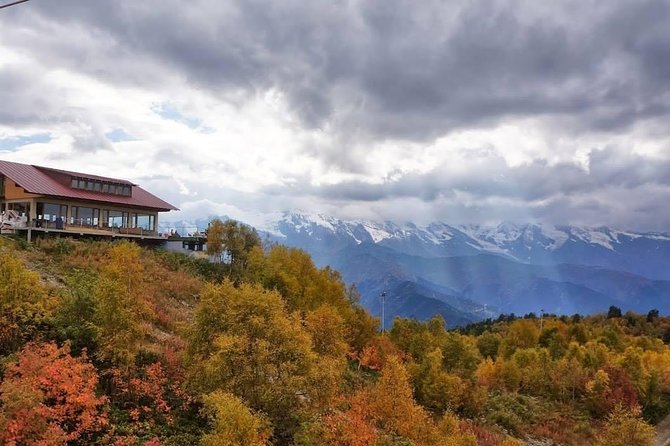
After Svaneti, the route drops south to Batumi, capital of Adjara and Georgia’s second-largest city. The evening walk includes Piazza Square and the city boulevards, giving you a quick introduction to the Black Sea setting.
Day twelve goes to Gonio Fortress, a Roman-era archaeological site dating from the first century AD. The fort later came under Byzantine rule, and its position near Batumi shows how important this coast was to older empires.
You then visit Batumi Botanical Garden at Green Cape. Opened in 1912 and expanded during the Soviet period, it contains plants and trees from different climate zones. Two hours is enough for a meaningful walk, though not for every path.
Batumi is a useful contrast to the mountain sections. The city visit is brief, so do not book this tour expecting several unstructured beach days. You get a taste of the coast, a major fortress, and the garden before returning inland.
Borjomi, Rabati, and Vardzia close the historical loop
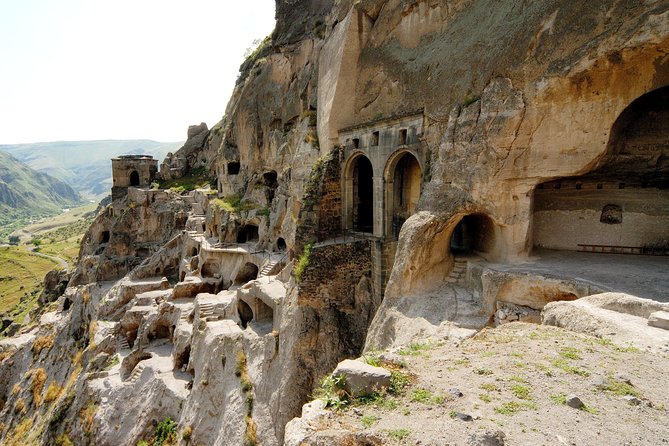
Day thirteen leaves Batumi for Borjomi, a spa town known for its mineral springs. You walk through Borjomi Park and taste the water, which has been exported internationally since the early 19th century.
The route continues to Akhaltsikhe in southern Georgia. Day fourteen centers on Rabati Castle, a rebuilt and layered complex with a medieval castle, churches, mosque, synagogue, and museum. Its mix of religious buildings reflects the region’s position at a cultural crossroads.
Khertvisi Fortress appears as a short stop on the road to Vardzia. The main attraction is Vardzia, a 12th-century rock monastery created during the reign of Queen Tamar. Rooms, churches, and cave dwellings are cut into the cliff above the Mtkvari River.
The hour allocated to Vardzia gives you the essential visit, but the site deserves careful footing and attention to the climb. It is one of the most memorable places on the itinerary because the architecture is inseparable from the rock itself.
The final return crosses volcanic plateaus and alpine lakes
Day fifteen returns to Tbilisi across the Javakheti volcanic plateau. Stops at Sagamo and Paravani lakes, followed by the Tsalka reservoir, add wide-open scenery after the enclosed valleys and cave sites.
Day sixteen is free in Tbilisi. That free day matters. You can revisit the old town, shop, rest, or fill gaps from the first city tour. Since the opening Tbilisi day includes several museums and historic sites, this is also your chance to slow the pace.
The final morning includes breakfast, hotel checkout, and airport transfer. The stated start time for the tour is 9:00 a.m., while the final transfer timing should be coordinated with your flight.
Who should book this tour?
I would choose this trip if you want a broad introduction to Georgia and prefer a guide, driver, hotels, and route planning handled in one package. It suits people who enjoy history, mountain scenery, wine, churches, museums, and long scenic drives.
The past arrangements associated with Dali and guide Lasha point to a service style built around personal planning and quick help, with comfortable four and five-star hotels mentioned in the tour information. Still, ask for the current guide and hotel names before booking, since staff and properties can change.
This is not the right choice if you want a slow beach holiday, independent hiking, or several free days in each city. Some days combine many stops, and Svaneti and the Caucasus involve lengthy drives.
The tour permits cancellation for a full refund up to six full days before the start, with reduced refunds closer to departure. Confirmation is subject to availability within 48 hours, and most people can participate, though mountain walks and uneven historic sites should be part of your planning.
FAQ
Where does the tour start and finish?
The tour starts in Tbilisi, with pickup at Tbilisi National Airport. It ends with a transfer from the hotel to Tbilisi International Airport.
How long is the experience?
The tour lasts approximately 17 days and includes 16 overnight stays.
What is the tour price?
The listed price is $4,219 per person.
What meals are included?
Sixteen breakfasts and three dinners are included. Other meals are not included unless specifically mentioned.
Are flights included?
No. Flight tickets, insurance, and visa fees are not included.
What is the maximum group size?
The tour has a maximum of 15 travelers.
When is the best time to take the tour?
The stated best travel period is April through October.
Is airport pickup available?
Yes. The itinerary includes pickup at Tbilisi National Airport at the start and a transfer to Tbilisi International Airport at the end.
Should you book it?
Book this tour if you want to see Georgia as a whole rather than limit yourself to Tbilisi and one nearby region. Its best features are the access to Svaneti and Ushguli, the careful Kakheti wine route, the Caucasus mountain roads, and the run of major sites from Uplistsikhe to Vardzia.
Before paying, confirm the current guide, vehicle, hotel list, room setup, and how much walking is planned at Gergeti, Ushguli, and Vardzia. If those details suit you, $4,219 can be a fair price for a long, guided Georgian journey that would be complicated to arrange piece by piece.
Just added around Tbilisi
- Tbilisi Airport to Gudauri, Bakuriani, Batumi, Tbilisi★ 5.0 · 3 reviews
- Private Adorable City Tour of Tbilisi★ 5.0 · 3 reviews
- Old tbilisi walking tour & wine tasting★ 5.0 · 9 reviews
- Vardzia. Lake Paravani, Khertvisi & Lomisa castle, Rabati★ 4.5 · 12 reviews
- full day Kazbegi-Gudauri-jvari -from Tbilisi★ 5.0 · 6 reviews
- Private Wine Tour In Kakheti Region with 7 Wines and Lunch★ 5.0 · 3 reviews
- Wine promenade in hospitable Tbilisi★ 5.0 · 17 reviews
- Your unique photo session in Tblisi, Georgia★ 3.5 · 4 reviews
Private, compared.
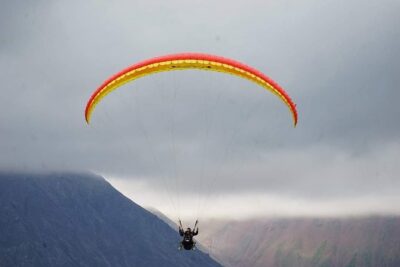
Kazbegi and Gudauri Full Day Private Tour from Tbilisi
Read our review →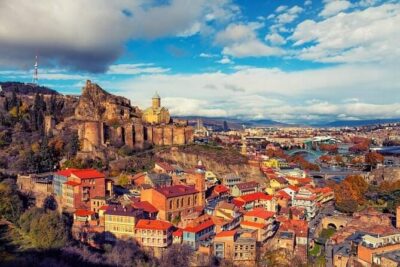
Old Tbilisi Tour: Private Walking Tour With Wine Tasting
Read our review →
Private Tbilisi Food Tour: 9 Tastings Walk in Bohemian District
Read our review →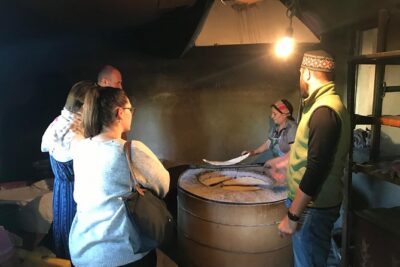
Full Day Private Wine Tour in Kakheti Region with Lunch and 3 Wine Tastings
Read our review →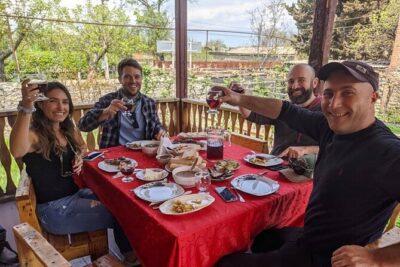
Small wineries and family-cooked lunch • Private tour
Read our review →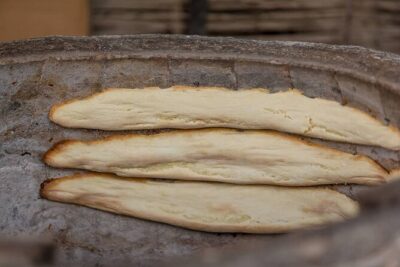
Kakheti All Inclusive Private Wine Tour Including Lunch
Read our review →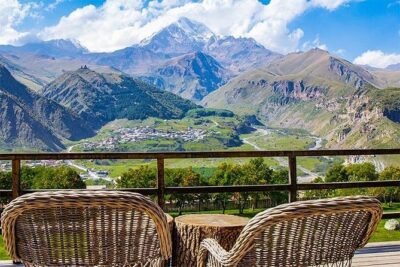
Kazbegi Full-Day Private Tour with Scenic Stops from Tbilisi
Read our review →