
Reviewed · WINE TOURS
German village in Georgia (Elisabethal) & Wine tasting
Asureti offers a side of Georgia many visitors miss: a former German settlement with a Lutheran church ruin, German gravestones, and a sulfur bath, followed by a tasting of rare Asuretuli Shala wine. I like the mix of cultural history and local wine, and I like that the private vehicle lets you see these quieter sites without managing transport yourself. The main drawback is the short schedule: five hours gives you a focused outing, not a broad tour of all Kakheti.
I also like the personal feel. Guides such as David and Irakli have been praised for good humor, clear explanations, and a light touch with facts. Keep in mind that the advertised price is $75 per person, and lunch is not included, so this works best if you want a compact private trip rather than a full day of wineries and major sights.
Key points to know before you book
- Asureti was once Elisabethal: The village preserves the memory of German settlers who arrived in the early 19th century.
- The Lutheran church is now a ruin: You will see a simple mid-19th-century structure that once served as the village’s religious and social center.
- The cemetery has German inscriptions: Gravestones offer a direct link to the community’s former residents.
- The wine stop is highly specific: Raminashvilebis Marani serves Shala, also called Asuretuli Shala, a rare local grape variety.
- Private pickup keeps the day easy: Collection and return are offered from anywhere in Tbilisi.
- The tour is short and focused: Plan on about five hours, with roughly 30 minutes at each heritage site and one hour at the winery.
Why Asureti is more than a quick wine stop
Many wine outings from Tbilisi head straight toward the best-known cellar towns. This trip takes a different route by beginning with Asureti, a village whose identity was shaped by German settlers and Georgian surroundings.
The settlement was originally known as Elisabethal. German colonists built homes, farms, religious buildings, and community facilities here in the 19th century. Their presence did not last uninterrupted. During World War II, the German population was forcibly deported, leaving the church, cemetery, and other structures without the community that had maintained them.
That story gives the visit weight, but the setting is not arranged like a polished museum. You are seeing surviving traces and ruins. I find that valuable because the place feels tied to the village itself rather than separated behind display cases. At the same time, you should arrive ready for a quiet historical visit, not a restored architectural showpiece.
The tour gives you a private driver-guide, a useful advantage here. You can ask how German settlement shaped the area, how the village changed after deportation, and how the wine tradition fits into local life. The guides David and Irakli have both received warm praise for making explanations easy to follow. David, in particular, is described as humorous and well judged with information, giving enough context without burying you in dates.
More Tbilisi wine days worth an afternoon:
- Day Trip to Kakheti Wine Region Including 9 Wine Tastings
★ 5.0 · 2,774 reviews - Kakheti Wine Region: Signagi and Bodbe Tour with 10 Wine Tastings
★ 5.0 · 1,019 reviews - Tbilisi:Mtskheta,Jvari,Bazaar,wine tasting,Chronicles of Georgia
★ 5.0 · 730 reviews
The Lutheran church in Asureti
The first stop is the Asureti German Lutheran Church, reached from Tbilisi by private vehicle. You have about 30 minutes here, and admission is free.
The church was built in the mid-19th century by German settlers. It was not only a place for worship. It also served as a meeting point for the village, helping preserve language, customs, and community ties. Its design is described as traditional German, with a restrained and elegant appearance rather than heavy decoration.
Today, the building is abandoned and partly ruined. That condition is central to the visit. You are looking at a reminder of a community that once gave the village much of its character, but you should not expect a complete interior or a long formal presentation.
Use the time to notice the structure itself and ask your guide about the deportation of the German population during World War II. The church becomes more meaningful when you understand why it lost its congregation. Without that context, the stop could seem like a brief photo break. With it, the broken building tells a clear story about forced movement, cultural loss, and the remains of a once active village center.
Because there is no entrance fee, this stop adds historical value without increasing the tour cost. It is best for you if you enjoy places where the past is visible in an imperfect, unpolished form.
German gravestones at the Elisabethal cemetery
The cemetery is another 30-minute stop, and it adds a more personal note to the church visit.
Here, traditional German gravestones carry inscriptions in German. Those names and words offer a direct connection to the people who built Elisabethal and shaped its religious life. The cemetery later fell into neglect after the deportation, though preservation efforts have helped protect it as an important cultural site.
I would pay close attention to the inscriptions rather than rushing through for photographs. A cemetery can make historical change feel less abstract. The church tells you about the community as a group; the gravestones point toward individual families and lives.
The site may appeal most to people interested in genealogy, European settlement in the Caucasus, religious history, or the marks left by migration. If your main goal is wine tasting, this stop may feel slow. That is the trade-off built into the tour: you give part of your limited time to a small historical site in exchange for a less familiar side of Georgia.
Since the cemetery is free to visit, the cost comes from the private transport and guide rather than entrance tickets. The guide’s explanation matters here, especially if you cannot read German inscriptions or want help connecting the cemetery to the village’s wider story.
The old sulfur bath and German craftsmanship
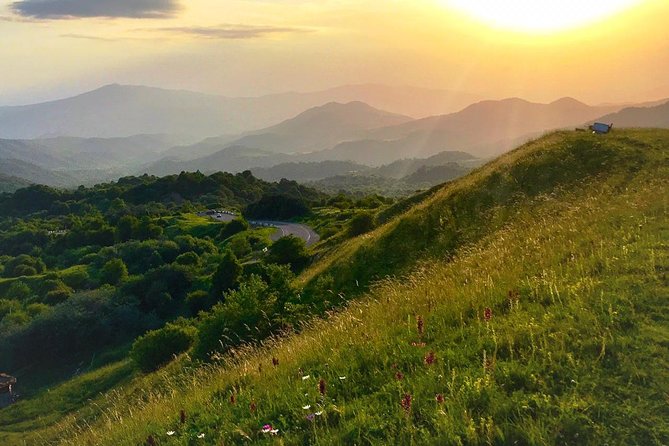
The third heritage stop is the German sulfur bath, also scheduled for about 30 minutes. German settlers built it in the 19th century, and it was known for its therapeutic qualities and use as a place to relax.
The bathhouse reflects German construction methods and design details, while its purpose connects with Georgian traditions surrounding sulfur water. That mix makes it a useful stop for understanding how the settlers adapted to their surroundings rather than living apart from local culture.
The bath may no longer be in use, so do not book this excursion expecting a bathing session. It is a historical structure, not a spa visit. That distinction is important, particularly if the phrase sulfur bath suggests an active wellness facility.
For me, the bath works best as part of the sequence. First comes the religious center, then the cemetery, then a building linked with daily health and social life. Together, the three stops show different parts of the former settlement: faith, family memory, and everyday community activity.
The 30-minute limit is sensible. You get enough time to see the site and hear its background without letting one small stop consume the entire outing. Still, anyone hoping for an extended visit or a chance to soak should choose another activity.
More food tours in Tbilisi:
- Old Tbilisi Highlights walking tour with wine & 10 tastings
★ 5.0 · 276 reviews - Old Tbilisi Tour: Private Walking Tour With Wine Tasting
★ 5.0 · 273 reviews - Private Tbilisi Food Tour: 9 Tastings Walk in Bohemian District
★ 5.0 · 227 reviews - Full Day Private Wine Tour in Kakheti Region with Lunch and 3 Wine Tastings
★ 5.0 · 207 reviews
Tasting Asuretuli Shala at Raminashvilebis Marani
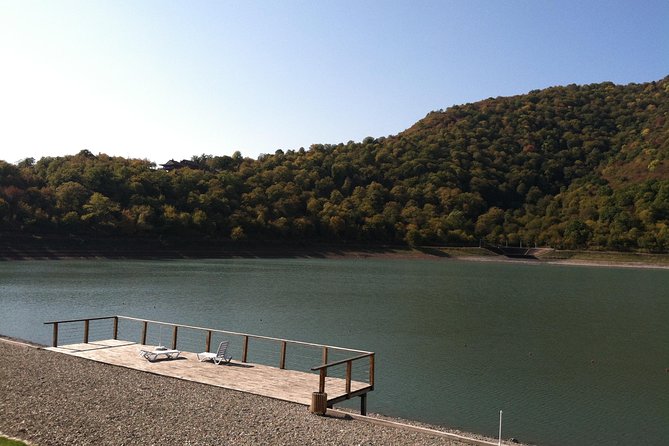
The final stop gives the tour its strongest taste of present-day local culture. At Raminashvilebis Marani, you spend about an hour tasting Shala, a rare grape variety also known as Asuretuli Shala.
The wine is linked to Otto Schall, a German farmer who helped establish vineyards near the village along the Algeti River. The vines have produced this wine since 1931. That detail connects the tasting directly to Asureti’s German past, rather than treating the wine as a separate stop added only for entertainment.
You are not simply tasting a familiar Georgian wine style. You are trying a variety associated with one particular area and a German agricultural legacy. Expect the appeal to be its local identity and unusual background as much as the drink itself.
Wine tasting is included in the $75 price, but food, drinks beyond the tasting, and lunch are not. Plan accordingly. If you need a substantial meal during the day, you will need to arrange that separately, and the supplied tour details do not promise a lunch stop.
The wine stop lasts twice as long as each heritage visit, giving you room to taste at a calmer pace and ask questions. Reviews of related Kakheti outings connected with this provider also highlight homemade village wines and the pleasure of returning in autumn for rtveli, the grape harvest. Rtveli is not listed as part of this specific five-hour outing, so treat it as a possible seasonal interest rather than an included activity.
What $75 buys you from Tbilisi
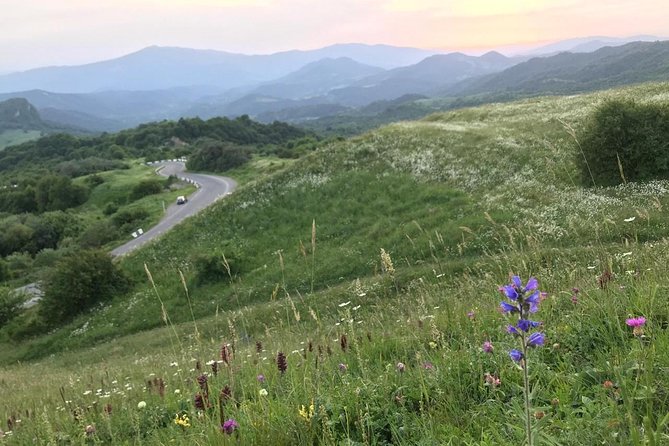
At $75 per person, the value depends on how many people are in your group and what you want from a day outside Tbilisi.
You are paying for a private vehicle, fuel surcharge, driver-guide, pickup and drop-off, and wine tasting. There are no separate admission charges listed for the church, cemetery, or sulfur bath. For a solo guest or a couple, the price buys convenience and privacy. For a larger group, the per-person cost can feel more attractive, especially since group discounts are offered.
The private format is the biggest practical benefit. You do not need to find the village by public transport, arrange separate taxis, or coordinate a return trip after wine tasting. Pickup is offered from anywhere in Tbilisi, and drop-off is included as well.
The price is less compelling if you want a full Kakheti circuit with several wineries, a long Georgian meal, and famous sights such as Sighnaghi or other major attractions. This outing focuses on Asureti and one marani. Its value comes from the specific subject, not from the number of stops.
One point needs clarification before booking: the material describes this as a full-day private tour to Kakheti, but the stated duration is approximately five hours. I would plan around the five-hour figure. If you want additional stops, ask the provider before confirming rather than assuming they are part of the schedule.
Timing, pickup, and the feel of a private outing
The listed start time is 10:00 a.m. Pickup and drop-off are offered from your hotel or another location in Tbilisi. That removes the need to reach a fixed meeting point, a helpful feature when you are staying in different parts of the capital.
The tour is offered in English. It is a private activity, so only your own group participates. That gives you control over questions and conversation, and it allows the driver-guide to adjust the pace within the planned schedule.
You should expect the day to feel more like a guided regional visit than a formal museum tour. The guide handles the route and background, while you decide how much attention to give each site. David has been praised for a relaxed style and a good sense of humor, while Irakli has been praised for helping visitors understand Georgian customs and culture.
Most people can participate, and the meeting information notes access to public transportation. Even so, the key convenience is the private vehicle and door-to-door service, not the public transport connection.
Free cancellation is available if you cancel at least 24 hours before the local start time. Cancellations or changes made inside that window are not refunded or accepted, so keep that cutoff in mind when making plans.
Who will enjoy this tour most
I would recommend this outing to you if you want a quieter cultural stop outside Tbilisi, enjoy small historical sites, or have already seen the capital’s main sights. It also suits wine drinkers who prefer a rare local variety and a story tied to the place where it is produced.
Couples, families, and solo visitors can all fit the private format. The reviews connected with the provider describe the service as suitable for solo trips and families, with good organization and friendly guiding.
You may want another tour if you need a large lunch, an active sulfur bath, many wineries, or a packed list of Kakheti’s famous attractions. The three heritage stops are modest in scale, and the church and cemetery are not restored attractions with extensive facilities.
This is also a good choice for people who dislike being overloaded with dates and facts. The strongest guide style here appears to be conversational and selective. You get the story, a few memorable details, and time to look around rather than a long lecture.
Should you book the Asureti and wine tour?
Book it if you want a private, manageable outing that links German settlement history with a rare Georgian wine. The ruined Lutheran church, German cemetery, and old sulfur bath give the trip a clear purpose, while the tasting at Raminashvilebis Marani adds a living connection to the village.
Skip it if your priority is a full day of Kakheti wineries, a generous meal, or a long list of major monuments. At five hours, this is a compact trip with a narrow focus. For the right visitor, that focus is the point: you get an unusual story, a local wine, and simple transport from Tbilisi without spending the whole day on the road.
FAQ
How long does the tour last?
The stated duration is approximately five hours. The published start time is 10:00 a.m.
What is included in the price?
The price includes fuel surcharge, a driver-guide, hotel pickup and drop-off, a private vehicle, and wine degustation.
Is lunch included?
No. Lunch, food, and drinks beyond the included wine tasting are not included.
Is the tour private?
Yes. Only your group participates in the activity.
Is the tour offered in English?
Yes. The experience is offered in English.
What wine will I taste?
The tasting features Shala, also called Asuretuli Shala, a rare grape variety associated with Asureti.
Are entrance tickets included?
The church, cemetery, and sulfur bath stops list free admission. Any extra ticket or entrance fee is not included.
Can I cancel for a full refund?
Yes, if you cancel at least 24 hours before the experience start time. Cancellations or changes made less than 24 hours in advance are not accepted for a refund.
Just added around Tbilisi
- Old tbilisi walking tour & wine tasting★ 5.0 · 9 reviews
- Tbilisi Airport to Gudauri, Bakuriani, Batumi, Tbilisi★ 5.0 · 3 reviews
- Private Adorable City Tour of Tbilisi★ 5.0 · 3 reviews
- Vardzia. Lake Paravani, Khertvisi & Lomisa castle, Rabati★ 4.5 · 12 reviews
- full day Kazbegi-Gudauri-jvari -from Tbilisi★ 5.0 · 6 reviews
- Private Wine Tour In Kakheti Region with 7 Wines and Lunch★ 5.0 · 3 reviews
- Wine promenade in hospitable Tbilisi★ 5.0 · 17 reviews
- Your unique photo session in Tblisi, Georgia★ 3.5 · 4 reviews
Wine Tours, compared.

Day Trip to Kakheti Wine Region Including 9 Wine Tastings
Read our review →
Kakheti Wine Region: Signagi and Bodbe Tour with 10 Wine Tastings
Read our review →
Mtskheta,Jvari,Bazaar,wine tasting,Chronicles of Georgia
Read our review →
Evening Walking & Talking Tour with Wine & Boat Ride
Read our review →
Kakheti;City of Love Sighnaghi, Bodbe. KTW. Wine House Group tour
Read our review →
Bodbe, Sighnaghi, Telavi Wine Tour from Tbilisi
Read our review →
Old Tbilisi Highlights walking tour with wine & 10 tastings
Read our review →
Old Tbilisi Tour: Private Walking Tour With Wine Tasting
Read our review →Browse the lists this tour appears in