
Reviewed · FOOD & DRINK
Half-Day Food Tour of Tbilisi Dezerter’s Bazaar
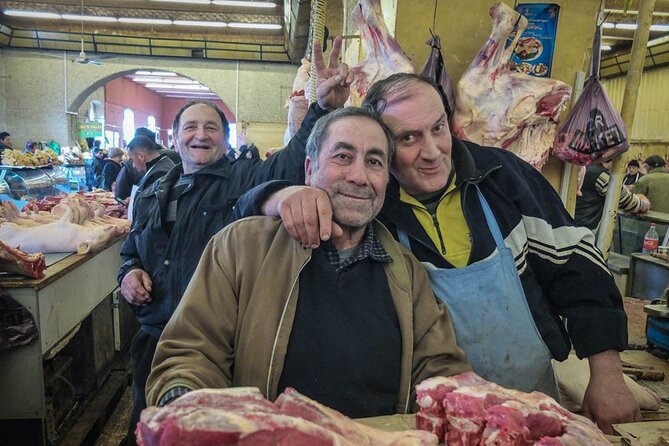
Tbilisi’s Dezerter’s Bazaar is the heart of this experience, not just a quick market stop. You’ll follow Paul through food stalls, meet vendors known by nicknames such as the Spice Girl and the honey lady, taste local products, then sit down for Georgian food and wine.
I especially like the personal scale of the tour and the way food connects to Georgian culture. The private format lets you ask questions freely, while the market visits offer a closer look at daily life than a standard city walk. The main consideration is the price: at $125 per person, this works best if you value a guide, tastings, lunch, and wine in one carefully planned morning.
Key points to know before booking
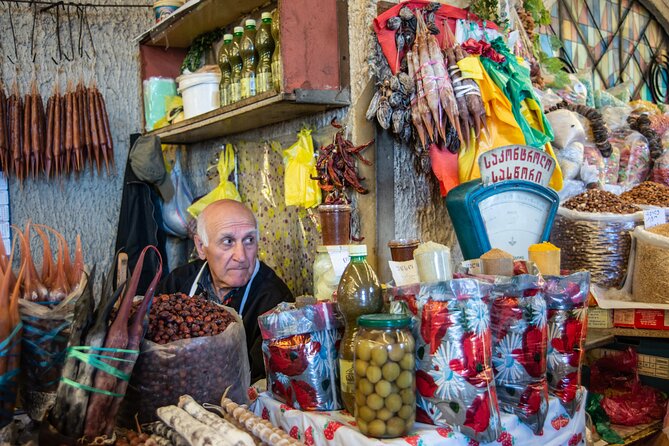
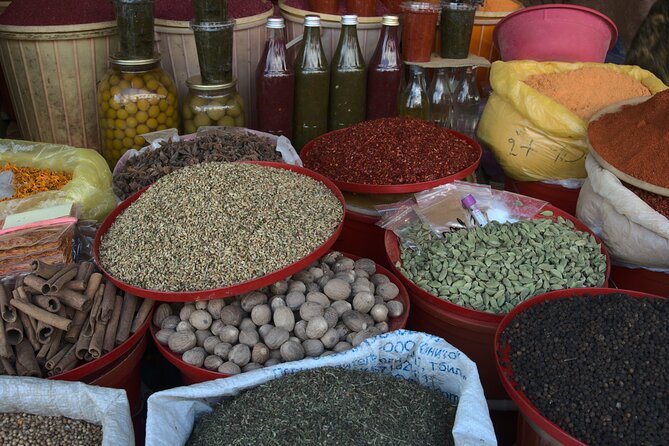
- Dezerter’s Bazaar is the main event: Expect a lively central market with vendors, seasonal produce, spices, breads, cheeses, sauces, and other Georgian foods.
- Paul leads the private tour: His local contacts help introduce you to individual sellers, including the Spice Girl, the honey lady, and skilled bakers.
- The food keeps coming: Tastings lead into a meal with ghobi, tonis lobiani, tkemali, cornbread, cheese, pkhali, and jonjoli.
- Wine and chacha finish the day: A select tasting at a respected wine bar provides context on Georgian wine and local drinking customs.
- The tour lasts about five and a half hours: It begins at 10:00 am and returns to the Shota Rustaveli Monument.
- Nut allergies need special care: The experience is not recommended for people with nut allergies.
Starting at the Shota Rustaveli Monument
The meeting point is the Shota Rustaveli Monument at 2 Mikheil Zandukeli Street. The tour begins at 10:00 am, a useful start time for a market visit. You can get there by public transportation, and the activity ends back at the same meeting point.
That return to the starting place matters. You do not need to arrange a taxi from an unfamiliar part of Tbilisi after a meal and wine tasting. It also makes the tour easy to fit into a first full day in the city, when you want an introduction without giving up the entire afternoon.
This is a private activity, so only your group takes part. That usually makes food tours more comfortable. You can stop to ask what a product is, request an explanation of a Georgian custom, or spend a little longer at a vendor without worrying about a large group moving on.
More market tours in Tbilisi:
- Tbilisi:Mtskheta,Jvari,Bazaar,wine tasting,Chronicles of Georgia
★ 5.0 · 730 reviews - Join a Local for a Market Tour, Cooking Class and Meal in her Tbilisi Home
★ 5.0 · 15 reviews - New Year in Tbilisi: Christmas Market and Hidden Gems Tour
★ 5.0 · 3 reviews
Entering Tbilisi’s Dezerter’s Bazaar

The Dezerter’s Bazaar is the tour’s strongest feature. It is Tbilisi’s central farmer’s market, a place where food is sold for everyday use rather than arranged mainly for sightseeing. The value here comes from seeing ingredients in their normal setting and learning how Georgians use them.
Paul’s local connections appear to be central to the experience. You can expect introductions to market sellers and a closer look at the people behind the products. The Spice Girl, the honey lady, and the bakers are especially memorable names, and those personal encounters give the market a human shape.
You might stop for spices, honey, bread, cheese, sauces, or seasonal produce. The exact selection can change, since a farmer’s market depends on the season. That is a good thing for an experience like this, but it also means you should not expect every tasting to be identical on every date.
The market is likely to be the most active and least polished part of the morning. Floors, stalls, smells, and conversations are part of the setting. If you prefer formal museums and quiet restaurants, this may feel rough around the edges. If you want to see how food moves from vendor to table, it is the right sort of place.
Georgian foods you are likely to taste
The planned meal gives you a useful introduction to several Georgian staples. The main dish is ghobi, a large bowl of seasonal starters that includes pkhali, jonjoli, a cheese assortment, and cornbread.
Pkhali is a vegetable-based Georgian dish often prepared with ground walnuts, herbs, and seasoning. Since nuts are a stated concern on this tour, anyone with a nut allergy should take the warning seriously and discuss it before booking. The menu may also include other ingredients that require careful checking.
Jonjoli is a Georgian pickled plant preparation with a sharp, distinctive flavor. It is the sort of dish that helps explain the country’s fondness for sour, herbal, and preserved foods. The cheese assortment and cornbread make the plate more approachable, giving you familiar anchors alongside less familiar tastes.
Tonis lobiani is a bean-filled bread baked in a tone oven. The bread is a practical example of Georgian baking: simple, filling, and made for sharing. The tone oven is a traditional clay oven, and the baking method gives the bread its character.
Tkemali is homemade sour plum sauce. It is commonly served as a bright counterpoint to heavier foods, and its sharp fruit flavor can change the way you taste bread, beans, cheese, and meat. Here it is listed as a starter, but think of it as a sauce or condiment that helps round out the meal.
The menu is not designed as a single large entrée. Instead, it moves through shared dishes and small tastes. That suits Georgian dining, where a table can hold several contrasting foods at once. Come hungry, but do not assume every bite will be mild or familiar.
A local restaurant meal after the market
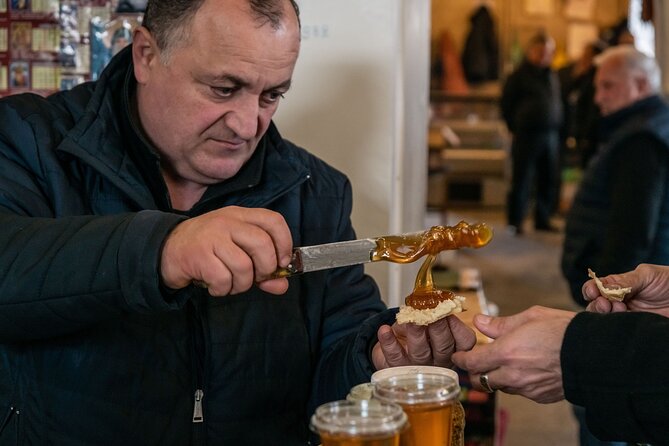
After the market, you dine on regional specialties at a notable local restaurant. The restaurant portion gives the morning a needed pause. After walking among stalls and sampling foods, sitting down lets you sort out what you have tasted and ask more questions.
The meal also gives the market context. Ingredients that seemed unfamiliar at a stall become easier to understand when you see how they work together on a Georgian table. Ghobi, lobiani, tkemali, cheese, cornbread, pkhali, and jonjoli form a broad introduction rather than a narrow tasting of one dish.
Because this is a private tour, you can use the restaurant stop to focus on your own interests. Ask Paul about preparation, regional differences, Georgian table customs, or the connection between food and wine. The tour’s strongest quality is not simply the number of dishes. It is the explanation that ties them together.
The supplied details do not specify the restaurant’s name or the exact dish substitutions. Seasonal ingredients may affect what appears on the table. That is worth keeping in mind if you are booking mainly for one particular food.
A completely different sort of day out of Tbilisi:
- Day Trip to Kakheti Wine Region Including 9 Wine Tastings
★ 5.0 · 2,774 reviews - Highlights of Caucasus Mountains-Jinvali,Ananuri,Gudauri,Kazbegi(Group tour)
★ 5.0 · 2,682 reviews - Day Trip to Kazbegi and Gudauri
★ 5.0 · 2,009 reviews - Day Trip to Mtskheta Gori and Uplistsikhe
★ 5.0 · 1,801 reviews
Georgian wine at the finish
The final stop is a select tasting of artisanal Georgian wines at a renowned wine bar. This is a smart finish because Georgian wine is a major part of the country’s food culture, and it deserves more than a quick glass poured without explanation.
The tasting is presented as a chance to learn about Georgian wines. Paul’s background and local contacts are useful here, especially if you have little experience with the country’s wine traditions. You can expect the conversation to include the character of the wines and the place they hold in Georgian meals.
The experience can also include celebratory toasts of wine and chacha. Chacha is a strong Georgian spirit made from grape pomace. It is not a gentle nightcap, so pace yourself, especially after a full meal and several market tastings.
The wine bar stop may be the most polished part of the morning, but it should not feel detached from the market. Food, wine, and hospitality are treated as parts of the same local culture. If you are interested in Georgian wine, this tasting adds real value to the tour. If you do not drink alcohol, check the arrangements before booking, since wine is a central part of the experience.
Why the private format matters
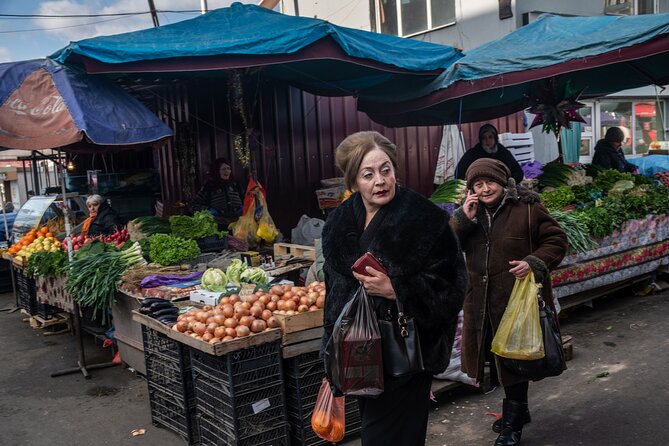
This is not a large coach tour with a guide speaking to a crowd. Your group is the only group participating. That makes a difference in a market, where stalls may be narrow and vendor interactions work better with a few people.
Paul is repeatedly described as having a strong network among Tbilisi’s food sellers and a broad grasp of Georgian food, culture, and history. The useful part for you is practical: he can introduce you to people, explain what you are tasting, and keep the morning moving from market to restaurant to wine bar.
A private tour also allows more room for questions. You can ask about a spice that catches your eye, a bread you have never seen, or a wine you want to remember. You are not limited to the guide’s prepared speech.
There is one tradeoff. Private tours often cost more per person than group experiences, and this one is priced at $125. You are paying for the guide’s time, the personal introductions, the food, the restaurant stop, and the wine tasting. If you only want a short market visit, it is expensive. If you want a half-day introduction that combines food, people, history, and wine, the price is easier to justify.
Who will get the most from this tour
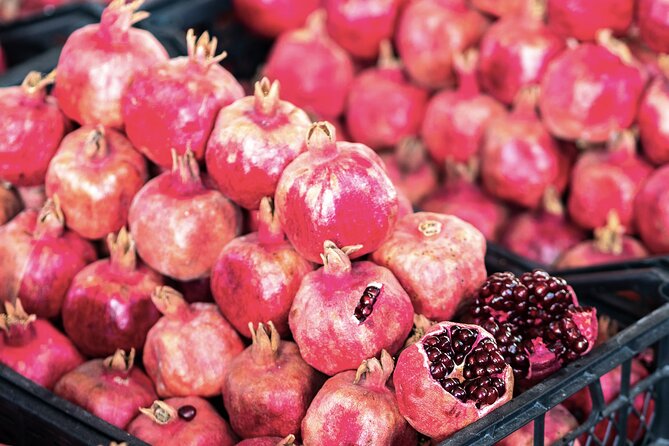
I would recommend this experience to anyone visiting Tbilisi for the first time who wants food to serve as an introduction to the city. It suits curious eaters who enjoy trying several small dishes and asking questions about ingredients.
It is also a strong choice for people who want structure. Paul takes care of what comes next, so you do not have to work out which market stalls to visit, where to eat, or how to arrange a wine tasting. That makes the morning relaxed even though the food stops are varied.
The tour may suit you especially well if you enjoy meeting local people. The vendor introductions are not just decoration. They are a major reason to choose this experience over eating at a restaurant alone.
I would be cautious if you have a nut allergy. The tour is specifically not recommended for people with nut allergies, and pkhali commonly involves walnuts. The menu may change, but you should not rely on substitutions unless the provider confirms that they can safely accommodate you.
This is also not the best fit if you dislike alcohol. Wine is part of the final stop, and chacha may be offered as part of the social experience. The provided information does not promise nonalcoholic alternatives.
Timing, transport, and practical details
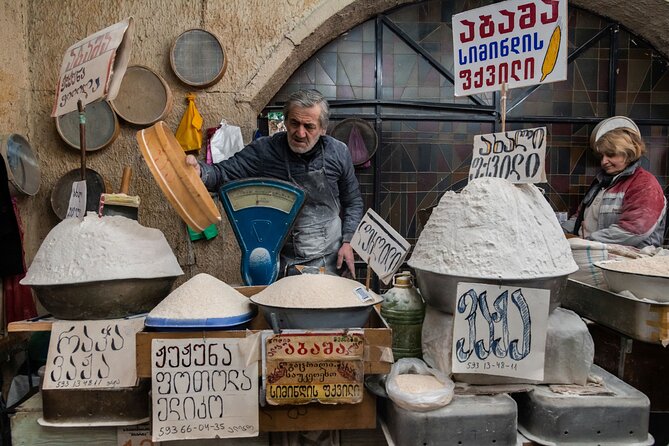
The experience lasts approximately five hours and thirty minutes. Starting at 10:00 am, it takes up much of the morning and early afternoon, so avoid scheduling another major activity too closely afterward.
You meet at the Shota Rustaveli Monument and return there at the end. The meeting point is near public transportation, and confirmation is provided when you book. Most people can participate, though the market setting means you should expect walking and time on your feet.
The tour is offered in English. Since the experience depends on explanations about ingredients, vendors, culture, and wine, the language option is important. You are not simply being led from one eating stop to another.
Cancellation is free if you cancel at least 24 hours before the local start time. Cancellations made less than 24 hours before the start are not refunded, and late changes are not accepted. That policy is worth noting because the tour involves a private guide and planned food stops.
Is the $125 price fair?
The answer depends on how you would otherwise spend the morning. At $125 per person, this is not a cheap market walk. You are paying for a private English-language guide, personal vendor connections, tastings, a meal, and a wine experience over five and a half hours.
The value is strongest for a small group that wants one organized introduction to Georgian food and drink. You avoid the trial and error of ordering unfamiliar dishes, and you get context at the moment you are tasting each one.
The value is weaker if you already know Tbilisi’s food scene, speak with local vendors easily, or mainly want to browse the market on your own. In that case, you may prefer to visit the bazaar independently and spend the difference on a restaurant meal.
For a first visit, I think the price is reasonable when the personal introductions matter to you. Paul’s contacts and the private format are the parts that separate this from a simple meal or self-guided market visit.
Should you book the Dezerter’s Bazaar food tour?
Book it if you want a friendly, food-first introduction to Tbilisi that combines market life, Georgian dishes, local vendors, and wine. The strongest reasons are the private group format, Paul’s personal connections, and the clear progression from market tastings to a sit-down meal and wine bar.
Skip it if you need a low-cost activity, cannot safely eat foods that may contain nuts, or do not want alcohol included in your day. For everyone else, this is a practical way to turn one morning in Tbilisi into a useful lesson in how Georgia eats, drinks, and welcomes people.
FAQ
Where does the tour begin?
The tour begins at the Shota Rustaveli Monument, 2 Mikheil Zandukeli Street in Tbilisi, Georgia.
What time does the tour start?
The start time is 10:00 am.
How long does the experience last?
The tour lasts approximately five hours and thirty minutes.
Where does the tour end?
The activity ends back at the meeting point at the Shota Rustaveli Monument.
Is the tour private?
Yes. Only your group participates in this private tour.
What language is the tour offered in?
The tour is offered in English.
Is the tour suitable for people with nut allergies?
No. The experience is not recommended for people with nut allergies.
More Half-Day in Tbilisi
- Ancient Mtskheta and Chronicle of Georgia half day tour
★ 5.0 · 66 reviews - Half-Day Famous Georgian Supra Feast
★ 5.0 · 13 reviews - Jvari monastery & Mtskheta – Half day group tour from Tbilisi
★ 5.0 · 3 reviews
More Food Tours in Tbilisi
- Kakheti Wine Region: Signagi and Bodbe Tour with 10 Wine Tastings
★ 5.0 · 1,019 reviews - Old Tbilisi Highlights walking tour with wine & 10 tastings
★ 5.0 · 276 reviews - Old Tbilisi Tour: Private Walking Tour With Wine Tasting
★ 5.0 · 273 reviews - Private Tbilisi Food Tour: 9 Tastings Walk in Bohemian District
★ 5.0 · 227 reviews
Just added around Tbilisi
- Old tbilisi walking tour & wine tasting★ 5.0 · 9 reviews
- Tbilisi Airport to Gudauri, Bakuriani, Batumi, Tbilisi★ 5.0 · 3 reviews
- Private Adorable City Tour of Tbilisi★ 5.0 · 3 reviews
- full day Kazbegi-Gudauri-jvari -from Tbilisi★ 5.0 · 6 reviews
- Vardzia. Lake Paravani, Khertvisi & Lomisa castle, Rabati★ 4.5 · 12 reviews
- Private Wine Tour In Kakheti Region with 7 Wines and Lunch★ 5.0 · 3 reviews
- Wine promenade in hospitable Tbilisi★ 5.0 · 17 reviews
- Your unique photo session in Tblisi, Georgia★ 3.5 · 4 reviews
Food & Drink, compared.
Day Trip to Kakheti Wine Region Including 9 Wine Tastings
Read our review →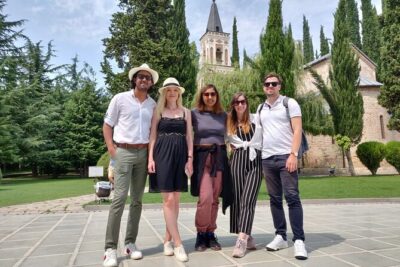
Kakheti Wine Region: Signagi and Bodbe Tour with 10 Wine Tastings
Read our review →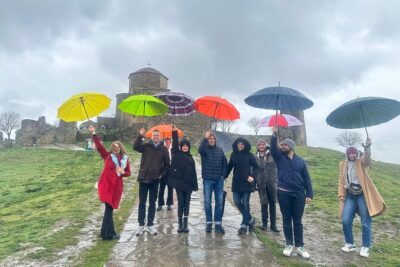
Mtskheta,Jvari,Bazaar,wine tasting,Chronicles of Georgia
Read our review →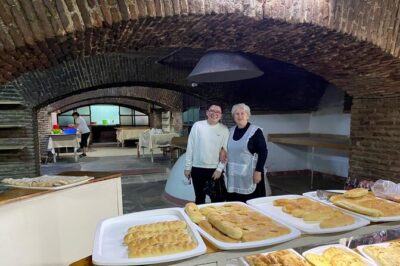
Old Tbilisi Highlights walking tour with wine & 10 tastings
Read our review →
Old Tbilisi Tour: Private Walking Tour With Wine Tasting
Read our review →
Private Tbilisi Food Tour: 9 Tastings Walk in Bohemian District
Read our review →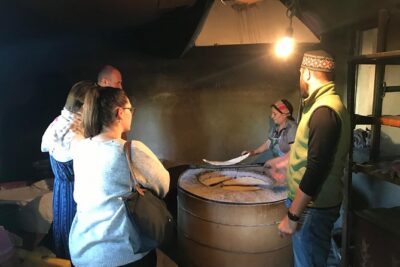
Full Day Private Wine Tour in Kakheti Region with Lunch and 3 Wine Tastings
Read our review →
Browse the lists this tour appears in