
Reviewed · WINE TOURS
7-Day Georgian Wine and Culinary Private Tour with Cooking Class
Georgia’s food and wine story unfolds best at the table, and this seven-day private tour gives you plenty of time to taste it properly. You’ll move from Tbilisi’s brandy cellar to Kakheti’s vineyards, then into the mountain country around Racha, with cooking classes and family wine cellars along the way.
I like the small group size, capped at six, and the way the tour mixes polished wineries with ordinary family cellars. I also like that accommodation, transport, breakfasts, dinners, and many tastings are bundled into the price. The main drawback is the pace: you cover a lot of Georgia in seven days, so several days involve long drives and busy sightseeing.
Key points at a glance
- Kakheti gets serious attention: Visit Telavi, Gremi, Alaverdi, Signaghi, and several wineries in Georgia’s best-known wine region.
- Cooking is part of the trip: Take a master class near Tbilisi, then another at Shumi Winery.
- Wine comes in many forms: Taste at large producers, rustic museums, underground tunnels, and family cellars.
- The route goes beyond wine: See Uplistsikhe, Gelati, Prometheus Caves, Mtskheta, Jvari, and the Katshki Pillar.
- The group stays small: A private, air-conditioned minivan carries no more than six people.
- The price covers much of the trip: Six nights, breakfasts, dinners, tastings, guide service, and private transport are included.
Why this Georgian food tour works
At $784.62 per person, this is not a cheap city break, but it covers seven days of movement across Georgia. You receive six nights in 3-star hotels or guesthouses, private round-trip transport, a local guide, breakfasts, dinners, bottled water, food tastings, and wine tastings.
That bundle matters in Georgia, where arranging transport between wine regions, mountain towns, monasteries, and caves can take time. You are paying not only for meals and rooms, but also for someone to connect the dots and keep the route moving.
The private format is another plus. With a maximum of six people, the cooking sessions and cellar visits should feel more personal than a large coach trip. You can ask questions about Georgian dishes, wine methods, and local customs without trying to catch a guide’s voice from the back row.
Still, check exactly what is included at meals. The tour includes breakfast and dinner, along with specified food and wine tastings, but food and drinks not listed in the program are excluded. You should also confirm the first-day meeting details, since the supplied information gives a 9:00 pm start time, which is unusually late for a full sightseeing program.
More cooking classes in Tbilisi:
- Small-Group Khinkali and Khachapuri Cooking Class in Tbilisi
★ 4.5 · 224 reviews - Cook True Ajarian Khachapuri and Khinkali in Highlanders Style
★ 5.0 · 93 reviews - Maia and Nina’s Magic Kitchen
★ 5.0 · 49 reviews
Tbilisi begins with brandy and a cooking class
Your first major stop is the Sarajishvili brandy factory in Tbilisi. Sarajishvili is one of Georgia’s best-known brandy names, so this gives you an introduction to the country’s drink culture beyond wine.
Lunch follows at Chateau Mukhrani, a restaurant with its own vineyard. That setting links the meal to the land around it, rather than treating wine as a separate tasting-room exercise. You then take a culinary master class and learn to prepare Georgian delicacies.
This first cooking session is important because Georgian food is more than a parade of famous dishes. A class gives you a chance to understand how those dishes are assembled and why they matter at the table. I would treat it as a hands-on start to the trip, not just another tasting.
Tbilisi itself receives less sightseeing time than the wine regions and western route. If you want a long, relaxed look at the capital, add extra nights before or after the tour.
Kakheti delivers the biggest wine day
The second day heads east to Kakheti, Georgia’s main wine region. You visit Telavi and the Alexander Chavchavadze Estate Museum, then continue to Alaverdi Monastery and Gremi Monastery.
These stops help explain the setting behind Georgian wine. You are not simply moving from one tasting room to another. Estates, monasteries, and old towns show how wine fits into Georgia’s religious, cultural, and regional life.
At the Twins Wine Cellar in Napareuli, expect a rustic winery and museum atmosphere. The name suggests a family operation, and the visit adds a more personal counterpoint to larger commercial producers.
Lunch at Ikano Winery comes with another tasting. Later, Khareba Winery offers one of the tour’s most unusual settings: wine tasting in an underground tunnel inside a former bomb shelter. That is the sort of stop that gives the day a strong sense of place. The setting is memorable, but it also means you should be comfortable with a packed schedule of tastings.
Churchkhela and Signaghi bring sweetness and style
The next day begins with churchkhela, a traditional sweet made from grape juice. Its appearance is distinctive, but the important point for you is its connection to the harvest. It shows how grapes appear in Georgian food culture in forms far beyond wine.
At Teliani Valley Winery, you taste more regional wine before another cooking class at Shumi Winery. Two cooking sessions during one week make this program a good match for anyone who wants practical food knowledge rather than a tour built only around drinking.
The route then reaches Signaghi, the red-roofed town in the center of Kakheti. Here, Pheasant’s Tears Winery presents a more modern take on Georgian cuisine, paired with a substantial wine selection. This meal helps balance the rustic cellar visits with a more polished dining experience.
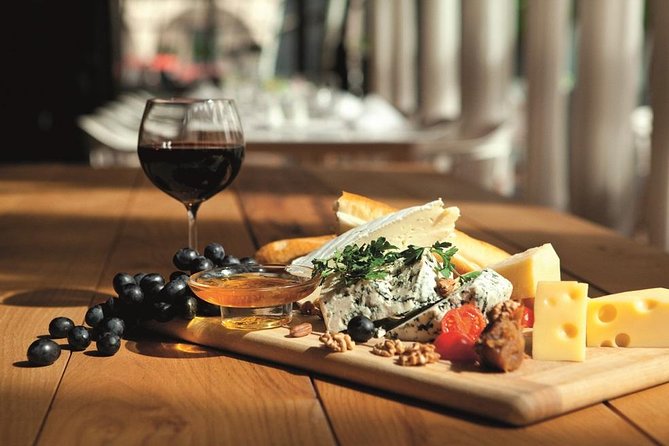
You also sample local bread and cheese before returning to Tbilisi. The day ends at Barbarestan, a home-style restaurant in a stylish part of the city, where seasonal ingredients shape a traditional Georgian feast.
I like this food progression. You move from a regional sweet to winery cooking, then bread, cheese, and a formal dinner. It gives your palate some variety and keeps the program from becoming a string of similar wine pours.
More Tbilisi wine days worth an afternoon:
- Day Trip to Kakheti Wine Region Including 9 Wine Tastings
★ 5.0 · 2,774 reviews - Kakheti Wine Region: Signagi and Bodbe Tour with 10 Wine Tastings
★ 5.0 · 1,019 reviews - Tbilisi:Mtskheta,Jvari,Bazaar,wine tasting,Chronicles of Georgia
★ 5.0 · 730 reviews - Tbilisi:Evening Walking & Talking Tour with Wine & Boat Ride
★ 5.0 · 572 reviews
Uplistsikhe and Kutaisi shift the mood
The route turns west toward Kutaisi, with a wine tasting in a family cellar along the way. Family cellars are especially valuable if you want to see how wine works outside large estates. They offer a different scale and atmosphere, though the precise facilities and tasting format may vary.
You also visit Uplistsikhe, an ancient cave town, and Stalin’s museum. These are very different sights. Uplistsikhe is an old rock-cut settlement, while the museum focuses on Stalin, who was born in Georgia. Together, they add history and politics to a trip otherwise centered on food and wine.
Another wine tasting follows in the afternoon, then you visit medieval Gelati Monastery before spending the night in Kutaisi. This is a full day, and the combination of caves, museum, wine, and monastery may feel demanding if you prefer a slower pace.
Kutaisi provides a useful overnight break from returning to Tbilisi every evening. The trip is easier to follow because you continue west rather than retracing the same roads.
Racha offers Georgia’s quieter wine country
The next day reaches the Racha region, north of Kutaisi. You taste at Bugeuli Winery, then visit a family wine cellar near Ambrolauri.
Racha changes the feel of the tour. The region is known for mountain scenery and local wine, and the route includes the Barakoni Monastery, set between green mountains. This is less about checking off famous names and more about seeing a different part of Georgia.
You spend the night in the historic town of Oni. That overnight stop is practical as well as scenic. Without it, the mountain route would become a very long excursion from Kutaisi.
I would pay attention to the driving here. A private minivan makes the route much easier than arranging separate transport, but mountain roads and repeated tastings can make this a tiring day. The small group helps, since you are not sharing a large coach with dozens of people.
Shaori Lake and Prometheus Caves fill the sixth day
The following morning brings Shaori Lake, a clear body of water high in the mountains. This is one of the trip’s strongest scenic pauses, especially after several days of wineries and historic buildings.
You then visit 11th-century Nikortsminda Cathedral and Prometheus Caves. The cathedral gives you another example of Georgia’s religious architecture, while the caves provide a very different underground setting from the Khareba wine tunnels.
The route returns to Kutaisi for a city tour. Because this day combines a lake, cathedral, caves, and an urban visit, expect variety but not much idle time. You will see a lot, though you may want more time at individual sights than the schedule allows.
The return to Tbilisi follows an excellent final route
On the last day, you return to Tbilisi by the scenic upper Imereti Road. The route includes the Katshki Pillar, a natural limestone formation with a church perched on top. It is one of Georgia’s most striking sights, and the unusual position of the church makes it an easy image to remember.
The journey continues to Mtskheta, Georgia’s ancient capital. You view Svetitskhoveli Cathedral, described as the country’s second-largest church, then visit Jvari Monastery, a sixth-century site on a cliff edge.
These final stops provide a fitting close to the cultural side of the tour. After days of wine estates and food experiences, you see two major religious landmarks tied to Georgia’s early history.
Back in Tbilisi, a gala dinner and national folk show finish the program. It is a celebratory ending, though you should not expect a quiet final evening. The show makes sense as a closing event because it adds music and performance to the food, wine, and sightseeing already covered.
How the food and wine program feels day to day
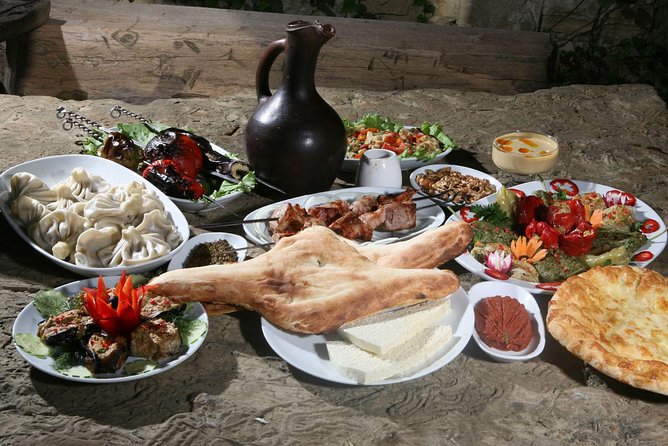
The tour does not limit you to one kind of wine producer. You visit Chateau Mukhrani, Teliani Valley, Shumi, Pheasant’s Tears, Khareba, Twins Wine Cellar, Bugeuli, Ikano Winery, and family cellars.
That range is one of the program’s best qualities. Larger wineries can explain production at scale, while family cellars show a more intimate side of Georgian wine. The underground tunnel at Khareba and the restaurant vineyard at Chateau Mukhrani add settings that you would not get from a standard restaurant tour.
The cooking classes also break up the tasting schedule. You are not expected simply to sit, sip, and listen. You get opportunities to connect Georgian dishes with the ingredients and methods behind them.
Meals are not entirely all-inclusive, so read the inclusions carefully before you book. Breakfast and dinner are included, but unspecified food and drinks are not. The tour is best for someone who likes guided meals and tastings, rather than someone who wants complete freedom to choose every restaurant.
Who should book this seven-day route?
You should consider this tour if you want one organized trip that combines:
- Georgian wine and regional food
- Private transport across several parts of the country
- Small-group guiding
- Cooking instruction
- Historic churches and monasteries
- Cave towns and natural sights
- Six nights of included lodging
It suits couples, families, and friends who want cultural context along with meals. A parent and adult child, for example, could find the mix of cooking, history, and scenery more rewarding than a wine-only itinerary.
You should think twice if you dislike long road days, frequent hotel changes, or a full timetable. You also may prefer a shorter tour if wine is only a minor interest. This program gives wine a central role, even though it adds plenty of history and scenery.
The private format is particularly useful if your group has shared interests. A maximum of six people leaves more room for questions and conversation, and the air-conditioned minivan is a practical advantage during long transfers.
Practical details before you reserve
The tour includes hotel pickup and drop-off in Tbilisi, private round-trip transfers, fuel charges, bottled water, and a local or professional guide. Accommodation is in 3-star hotels or guesthouses for six nights.
Confirmation is provided at booking. Service animals are allowed, and most people can participate. The activity is limited to six people per booking.
Free cancellation is available up to 24 hours before the local start time for a full refund. Changes or cancellations within 24 hours are not accepted for a refund.
The stated start time is 9:00 pm in Tbilisi. Since the first day includes a factory visit, lunch, and a cooking class, confirm the pickup hour with Traffic Travel LLC before finalizing your plans. That small check could prevent a confusing arrival.
Should you book this Georgian wine tour?
I would book it if you want Georgia presented as a connected story of wine, food, religion, family life, and regional scenery. The mix of major wineries, family cellars, two cooking classes, mountain roads, and included lodging gives the price solid value for a private seven-day program.
I would not choose it for a slow holiday. The route is ambitious, with many tastings and sightseeing stops packed into each day. But if you like full days, small groups, and having the transport handled, this is a strong way to see far more than Tbilisi and the usual Kakheti circuit.
FAQ
How long is the tour?
The tour lasts approximately seven days and includes six nights of accommodation.
Where does the tour begin?
It begins in Tbilisi, Georgia, with hotel pickup and drop-off included.
How many people can join the private tour?
The maximum is six people per booking.
What kind of transport is provided?
You travel by private, air-conditioned minivan, with round-trip private transfers included.
Are accommodation and meals included?
Six nights in 3-star hotels or guesthouses are included, along with breakfast and dinner. Additional food and drinks are not included unless specified in the program.
Are wine tastings and cooking classes included?
Wine tastings and food tastings are included, as are the cooking master classes described in the program.
What is the cancellation policy?
You can cancel at least 24 hours before the local start time for a full refund. Cancellations or changes made within 24 hours are not refunded or accepted.
More Workshops in Tbilisi
- Taste of Kakheti: Wine Tour Bread Baking & Churchkhela Workshop
★ 4.5 · 46 reviews - Nana’s Kitchen – traditional Georgian cooking class at real Georgian family home
★ 5.0 · 37 reviews - Join a Local for a Market Tour, Cooking Class and Meal in her Tbilisi Home
★ 5.0 · 15 reviews - Georgian Dance Class in Tbilisi, Georgia
★ 5.0 · 10 reviews
More Food Tours in Tbilisi
- Old Tbilisi Highlights walking tour with wine & 10 tastings
★ 5.0 · 276 reviews - Old Tbilisi Tour: Private Walking Tour With Wine Tasting
★ 5.0 · 273 reviews - Private Tbilisi Food Tour: 9 Tastings Walk in Bohemian District
★ 5.0 · 227 reviews - Full Day Private Wine Tour in Kakheti Region with Lunch and 3 Wine Tastings
★ 5.0 · 207 reviews
Just added around Tbilisi
- Tbilisi Airport to Gudauri, Bakuriani, Batumi, Tbilisi★ 5.0 · 3 reviews
- Private Adorable City Tour of Tbilisi★ 5.0 · 3 reviews
- Old tbilisi walking tour & wine tasting★ 5.0 · 9 reviews
- Vardzia. Lake Paravani, Khertvisi & Lomisa castle, Rabati★ 4.5 · 12 reviews
- full day Kazbegi-Gudauri-jvari -from Tbilisi★ 5.0 · 6 reviews
- Private Wine Tour In Kakheti Region with 7 Wines and Lunch★ 5.0 · 3 reviews
- Wine promenade in hospitable Tbilisi★ 5.0 · 17 reviews
- Your unique photo session in Tblisi, Georgia★ 3.5 · 4 reviews
Wine Tours, compared.
Day Trip to Kakheti Wine Region Including 9 Wine Tastings
Read our review →
Kakheti Wine Region: Signagi and Bodbe Tour with 10 Wine Tastings
Read our review →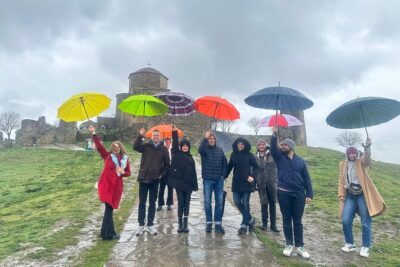
Mtskheta,Jvari,Bazaar,wine tasting,Chronicles of Georgia
Read our review →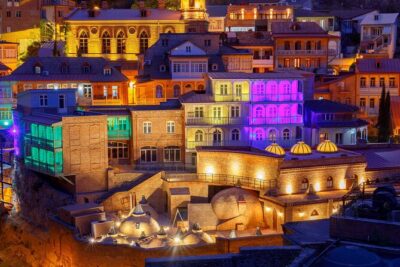
Evening Walking & Talking Tour with Wine & Boat Ride
Read our review →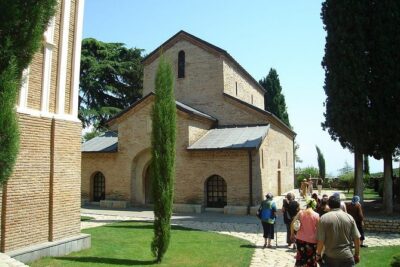
Kakheti;City of Love Sighnaghi, Bodbe. KTW. Wine House Group tour
Read our review →
Bodbe, Sighnaghi, Telavi Wine Tour from Tbilisi
Read our review →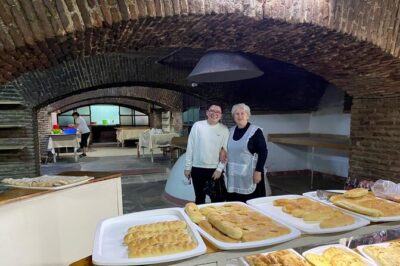
Old Tbilisi Highlights walking tour with wine & 10 tastings
Read our review →
Old Tbilisi Tour: Private Walking Tour With Wine Tasting
Read our review →Browse the lists this tour appears in