
Reviewed · COOKING CLASSES
Nana’s Kitchen – traditional Georgian cooking class at real Georgian family home
Georgian food makes the most sense when you understand the Supra, the long, generous feast that turns dinner into a celebration. At Nana’s Kitchen, you do not simply watch a chef prepare khinkali or pour wine for tourists. You work in a family home, cook five dishes with Nana and her helpers, then sit down together for a proper Georgian meal.
I like the warm, personal setting and the fact that you make the food yourself rather than just sampling it. I also like the homemade wine, the stories behind the ingredients, and the recipe booklet that lets you repeat the meal at home. The main drawback is the fixed weekday evening schedule, and at $110 per person this is a premium food experience rather than a cheap cooking lesson.
Key points at a glance
- Supra comes first: You learn why Georgian feasts involve food, wine, hospitality, and traditional hosting.
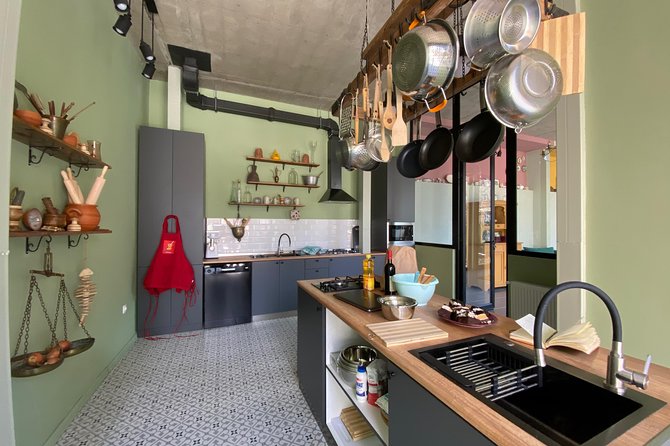
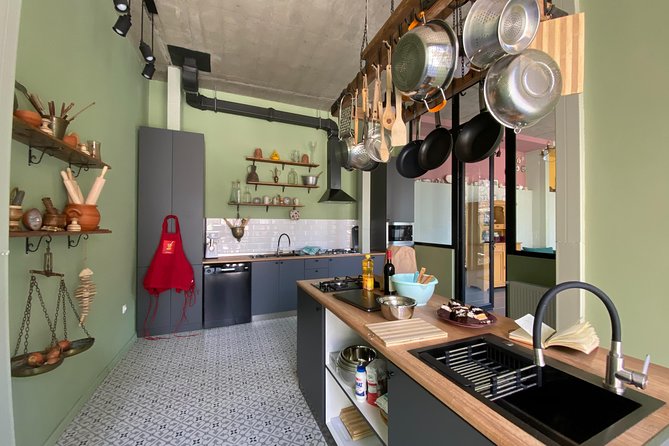
- A real family setting: The class takes place at 26 Guram Rcheulishvili Street, not in a standard restaurant kitchen.
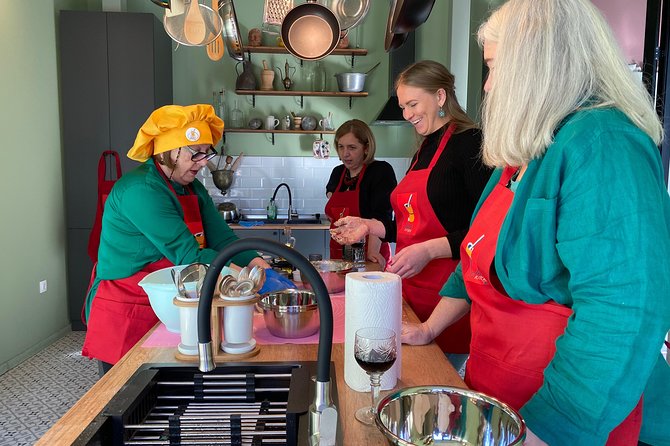
- Five dishes by hand: Nana and her family demonstrate each recipe, then you prepare the food yourself.
- Homemade wine included: The evening begins with wine from the family’s vineyards.
- A full meal follows: Your cooking becomes a traditional-style dinner at the end of the class.
- Recipes go home with you: The booklet helps you recreate the dishes and host your own Georgian meal.
Why the Supra is the real lesson
Most cooking classes teach recipes. Nana’s Kitchen also teaches the social rules and spirit behind the meal.
You begin with a glass of homemade Georgian wine and an introduction to Supra, Georgia’s traditional feast. This matters because Georgian food is rarely treated as a quick plate eaten alone. The meal is tied to generosity, celebration, conversation, and the art of welcoming people into your home.
The introduction also covers the origins of Georgian cuisine and the influences that shaped it. That gives you useful context before you start chopping, mixing, and cooking. Walnut pastes, herbs, peppers, eggplant, tarragon, and wine all become more meaningful when you understand how they fit into the country’s food traditions.
I especially like this beginning because it prevents the class from becoming a simple list of recipes. You are learning why the food is served and how it belongs in Georgian life.
More cooking classes in Tbilisi:
- Small-Group Khinkali and Khachapuri Cooking Class in Tbilisi
★ 4.5 · 224 reviews - Cook True Ajarian Khachapuri and Khinkali in Highlanders Style
★ 5.0 · 93 reviews - Maia and Nina’s Magic Kitchen
★ 5.0 · 49 reviews
Entering Nana’s family kitchen in Tbilisi
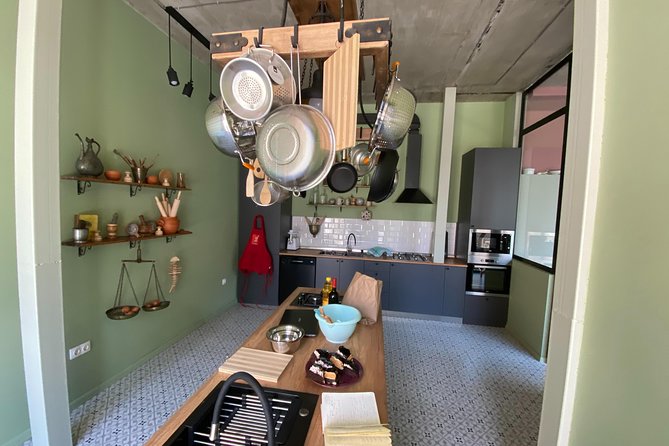
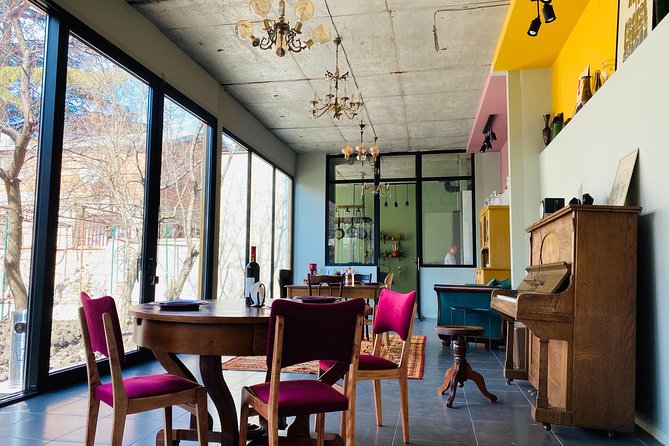
The meeting point is 26 Guram Rcheulishvili Street in Tbilisi. The setting is residential and family-run, with a kitchen and living area used for the class and meal. Some descriptions of the experience also refer to a pleasant kitchen studio in the garden, giving the evening a more relaxed home setting than a formal cooking school.
The experience is private to your group. That makes a real difference. You can ask questions, work at your own pace, and speak directly with Nana, Nina, and the family members helping in the kitchen. The small setting also suits couples, families, and friends who want time to talk rather than stand in a large demonstration class.
The class is offered in English. The hosts guide you through each stage with demonstrations and explanations, then you work on the dishes yourself. You are not expected to arrive with advanced cooking skills. The emphasis is on taking part, learning the method, and enjoying the shared meal.
The atmosphere is one of the strongest reasons to choose this experience. You are likely to feel more like you are being welcomed into a home than processed through a cooking attraction. That also means the evening has a personal, informal character. If you prefer a polished professional kitchen with a strict timetable, this may feel less structured than you expect.
Five Georgian dishes, with room for seasonal choices
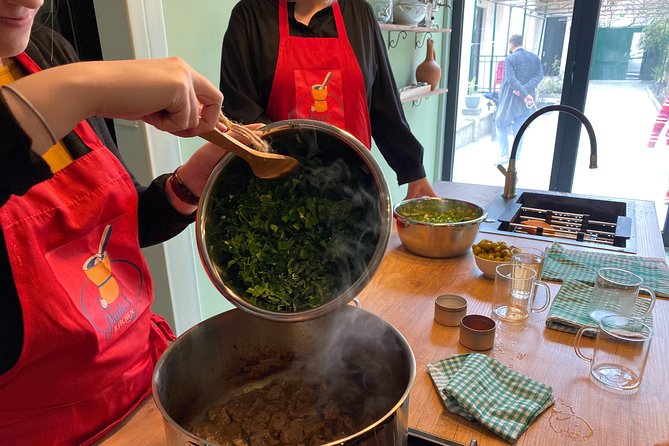
The class teaches five dishes, though the exact selection can vary. The sample menu includes a traditional spinach paste as a starter, red peppers with a walnut and spice mixture, fried eggplant with walnuts, and chakapuli, a veal dish flavored with tarragon. Chakapuli is seasonal, and chakhokhbili may be offered instead.
One of the useful features is that you may have choices within the menu. A previous session included options, and the selected dishes worked well together as a meal. Ask about the current menu when you arrive if you have strong preferences or food concerns.
Traditional spinach paste
The spinach starter introduces a style common in Georgian cooking, where vegetables are combined with walnuts, herbs, and seasoning to create something far more substantial than a plain salad. It is a good early dish for learning how Georgian cooks build flavor from simple ingredients.
A few more Tbilisi days to weigh up
- Taste of Kakheti: Wine Tour Bread Baking & Churchkhela Workshop
★ 4.5 · 46 reviews - Join a Local for a Market Tour, Cooking Class and Meal in her Tbilisi Home
★ 5.0 · 15 reviews - Georgian Dance Class in Tbilisi, Georgia
★ 5.0 · 10 reviews - Taste of Georgia. Cooking-Class Khinkali, Khachapuri and more
★ 5.0 · 7 reviews
Peppers with walnut and spices
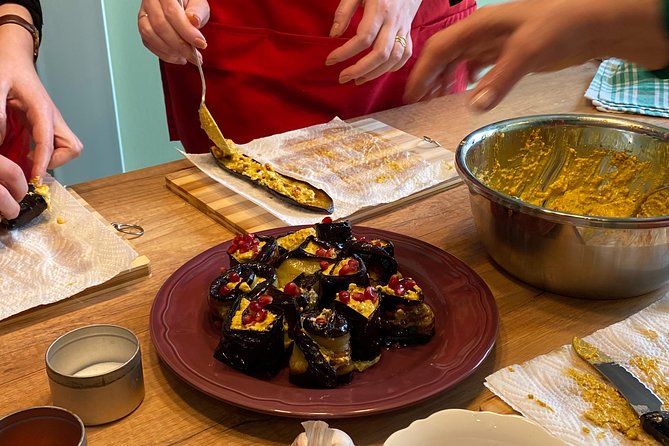
This dish shows how walnuts act as a central ingredient rather than a garnish. The traditional spice mixture gives the peppers their Georgian character. You will learn how the paste is made and how it is used to turn a straightforward vegetable into a dish suited to a feast.
Fried eggplant with walnuts
Eggplant and walnut are a classic Georgian pairing. The recipe is practical enough to repeat at home, but it still feels special when placed on a large shared table. It is also the sort of dish that works well as part of a spread, which is central to the Supra style of eating.
Chakapuli or chakhokhbili
Chakapuli is made with veal and tarragon and is described as seasonal. If it is not available, chakhokhbili may take its place. The choice gives you a better sense of Georgian home cooking than a fixed tourist menu would, since the food can follow the season and the kitchen’s available ingredients.
A chicken soup was also singled out as an especially successful dish during one class. Since the exact fifth dish is not fixed in the information provided, you should treat the menu as flexible rather than expect one unchanging five-course list.
Hands-on cooking instead of a kitchen show
The best part of the class is that you cook. Nana and the other instructors demonstrate the steps, explain what you are doing, and then let you prepare the food yourself. That makes the recipe booklet more useful because you will remember the texture, sequence, and small techniques behind each dish.
The teaching style is patient and personal. Nana and Nina guide participants through the work, and family helpers may assist in the kitchen. You can expect explanations about ingredients and where particular dishes come from, not just instructions to stir or fry.
This is a good fit if you want to learn a handful of Georgian recipes well enough to attempt them later. It is less suited to someone who wants a fast, highly technical master class. The three-hour length allows time for the introduction, preparation, cooking, dinner, and conversation, but it is not a full professional culinary course.
The class also carries a useful social lesson. Georgian meals are designed for sharing, so the dishes are not isolated plates made one at a time. You are learning how vegetables, walnut mixtures, herbs, and meat come together on a table where everyone takes part.
The Supra dinner at the end
Once the cooking is finished, you sit down to eat what you have made. The final meal follows the traditional manner of a Supra, so the dinner is part of the lesson rather than an afterthought.
This is where the experience earns much of its price. You are not paying only for an instructor and a printed recipe sheet. The evening includes a private setting, hands-on cooking, homemade wine, cultural explanation, and a full dinner shared with the family.
The meal is generous and unhurried in spirit. The food is placed in the context of hospitality, conversation, and celebration. If you have already eaten Georgian food in restaurants, this gives you a different view of how it works in a home setting.
Some sessions may also include useful extras such as leftover food to take away or a small amount of starter spice to help you repeat the recipes. These details should not be treated as guaranteed inclusions, but they add to the practical value when available.
The wine is homemade and comes from the family vineyards. It is served at the start and accompanies the evening. If wine is an important part of your interest in Georgian culture, this is a welcome feature. If you do not drink, the class is still built around cooking and food, but the opening tradition centers on wine.
What $110 buys you in Tbilisi
At $110 per person, Nana’s Kitchen costs more than a basic group cooking class. The value depends on what you want from the evening.
If you only want to learn one or two inexpensive recipes, the price may feel high. You can find cheaper meals in Tbilisi, and a restaurant dinner will usually cost less. But that comparison misses what is included here: several dishes, instruction, an English-speaking host, homemade wine, a cultural introduction, a private group setting, and dinner in a real family home.
I see the price as easier to justify for a special evening, a birthday gift, or a first visit to Georgia when you want food to serve as your introduction to the country. It also makes sense for people who will actually use the recipes afterward.
The recipe booklet adds lasting value. You leave with instructions for all the dishes you made, so the experience does not end when you leave the house. You can try the recipes with friends and recreate a small Georgian-style feast at home.
Timing, transport, and practical details
The class runs on Monday through Friday evenings, with hours listed from 7:00 PM to 11:00 PM. The actual experience lasts about three hours, so plan for a substantial evening rather than a quick activity before another booking.
The activity starts and ends at the same meeting point on Guram Rcheulishvili Street. It is near public transportation, which is helpful for reaching a residential part of Tbilisi. Since this is a private home setting, allow enough time to find the address without rushing.
The experience is offered in English, and confirmation is provided when you book. Service animals are allowed. The booking is non-refundable and cannot be changed for any reason, so check your schedule carefully before paying.
The weekday evening format is both a benefit and a limitation. It leaves your daytime free for Tbilisi sightseeing, but it will not suit a weekend-only schedule. The late finish may also matter if you have an early departure the next morning.
Who will enjoy Nana’s Kitchen most?
I would choose this class if you enjoy food as a way to understand daily life. It is especially good for:
- Couples looking for a personal evening in Tbilisi
- Families who want an activity everyone can take part in
- Friends who enjoy cooking, wine, and long meals
- First-time visitors who want a direct introduction to Georgian hospitality
- Home cooks who want recipes they can repeat after the trip
- Birthday or holiday gift recipients who prefer an activity to an object
You should think twice if you want a strictly timed class, a professional restaurant kitchen, or a menu with no seasonal variation. You should also check the menu if you have dietary restrictions, since the supplied details do not specify substitutions or a full list of allergens.
The class is also not ideal if you dislike shared meals or want to remain completely independent from the hosts. The personal contact is the point here. You will spend the evening talking, cooking, eating, and learning with a Georgian family.
Is this the right Tbilisi food experience for you?
Book Nana’s Kitchen if you want more than a meal and more than a cooking demonstration. The strongest reasons are the private family setting, the careful introduction to Supra, and the chance to prepare five Georgian dishes before eating them at the same table.
I would be comfortable paying the $110 price for a special evening, particularly for a first trip to Georgia or a celebration. The fixed weekday schedule and non-refundable booking require care, and the price will not suit every budget. But if you value personal hospitality, homemade wine, practical recipes, and a proper Georgian feast, this offers a clear connection between the food on your plate and the culture behind it.
FAQ
Where does Nana’s Kitchen take place?
The experience takes place at 26 Guram Rcheulishvili Street, Tbilisi 0179, Georgia. It starts and ends at the same meeting point.
How long does the cooking class last?
The class lasts approximately three hours. Opening hours are listed from 7:00 PM to 11:00 PM, Monday through Friday.
What language is the class offered in?
The experience is offered in English.
How many dishes will I make?
You will learn to make five Georgian dishes. The sample menu includes spinach paste, peppers with walnut and spices, fried eggplant with walnuts, and chakapuli or chakhokhbili, with the exact selection subject to seasonal or menu choices.
Is wine included?
The evening begins with a glass of homemade Georgian wine from the family vineyards.
Do I receive recipes after the class?
Yes. You receive a booklet containing the recipes for the dishes prepared during the class.
Just added around Tbilisi
- Old tbilisi walking tour & wine tasting★ 5.0 · 9 reviews
- Tbilisi Airport to Gudauri, Bakuriani, Batumi, Tbilisi★ 5.0 · 3 reviews
- Private Adorable City Tour of Tbilisi★ 5.0 · 3 reviews
- Vardzia. Lake Paravani, Khertvisi & Lomisa castle, Rabati★ 4.5 · 12 reviews
- full day Kazbegi-Gudauri-jvari -from Tbilisi★ 5.0 · 6 reviews
- Private Wine Tour In Kakheti Region with 7 Wines and Lunch★ 5.0 · 3 reviews
- Wine promenade in hospitable Tbilisi★ 5.0 · 17 reviews
- Your unique photo session in Tblisi, Georgia★ 3.5 · 4 reviews
Cooking Classes, compared.
Small-Group Khinkali and Khachapuri Cooking Class in Tbilisi
Read our review →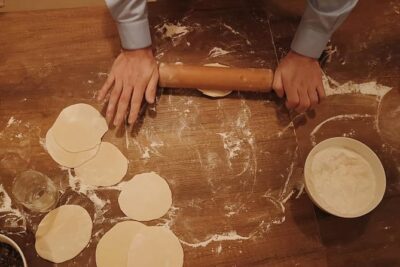
Cook True Ajarian Khachapuri and Khinkali in Highlanders Style
Read our review →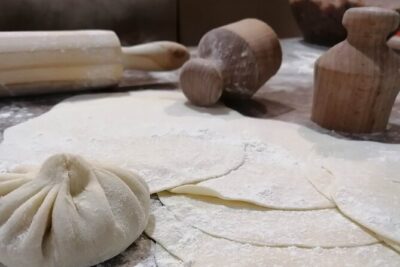

Taste of Kakheti: Wine Tour Bread Baking & Churchkhela Workshop
Read our review →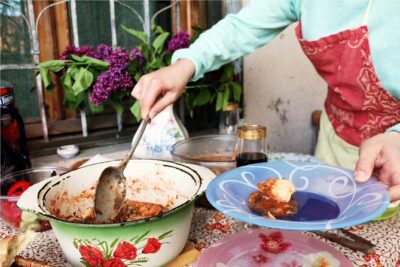
Join a Local for a Market Tour, Cooking Class and Meal in her Tbilisi Home
Read our review →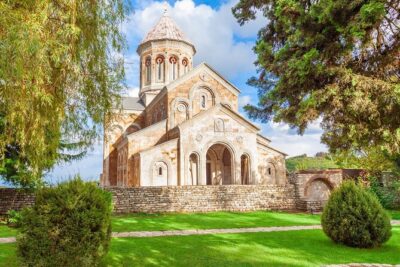
One Day Kakheti Tour with Wine Tasting and Free Churchkhela
Read our review →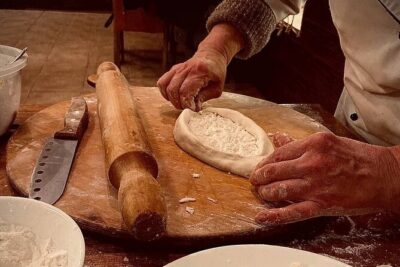
Taste of Georgia. Cooking-Class Khinkali, Khachapuri and more
Read our review →
Military Road Marvels: Ananuri, Kazbegi & Khinkali Masterclass
Read our review →Browse the lists this tour appears in