
Reviewed · MTSKHETA TOURS
Mtskheta, Jvari, gori, uflistsikhe, history and panorama (group tours)
The most rewarding part of this day is the sharp change of scene. You leave Tbilisi for Jvari’s hilltop view, the churches of Mtskheta, the ancient caves of Uplistsikhe, and Gori’s complicated Stalin connection. It is a lot of Georgia in one long day.
I like the excellent range of sights for the price, and I like that a driver-guide handles the roads while you listen to stories about Christianity, pagan worship, and Georgian history. The main caution is the uneven guiding: some English-speaking groups have received rich explanations from guides such as Luka, Paata, Tornike, or Emilia, while others have found the English brief and the Russian commentary much longer.
Key points at a glance
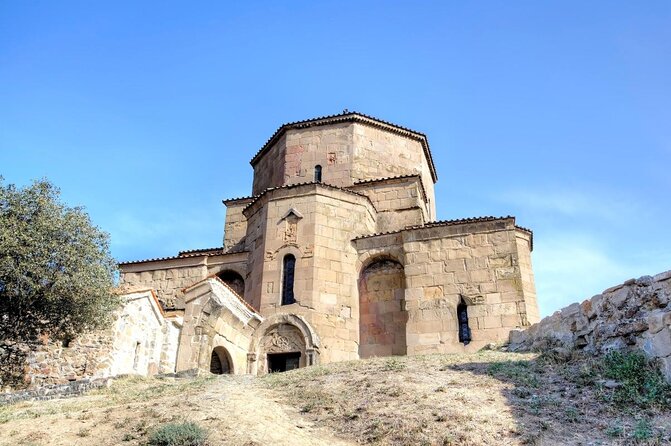
- Jvari comes first: Reach the sixth-century monastery for broad views over the meeting point of the Aragvi and Kura rivers.
- Svetitskhoveli is the cultural high point: Mtskheta’s patriarchal cathedral offers the strongest church visit of the day.
- Uplistsikhe requires sensible shoes: Its ancient rock-cut rooms, steps, and uneven paths are more physical than the itinerary may suggest.
- Gori can be optional: The Stalin Museum is visited at the group’s request, with a separate admission charge.
- Budget for extras: Lunch, Uplistsikhe, and the Stalin Museum are not covered in the advertised $19 price.
- English quality can vary: Confirm the language balance and guide arrangements before you set out.
Why this day trip works from Tbilisi
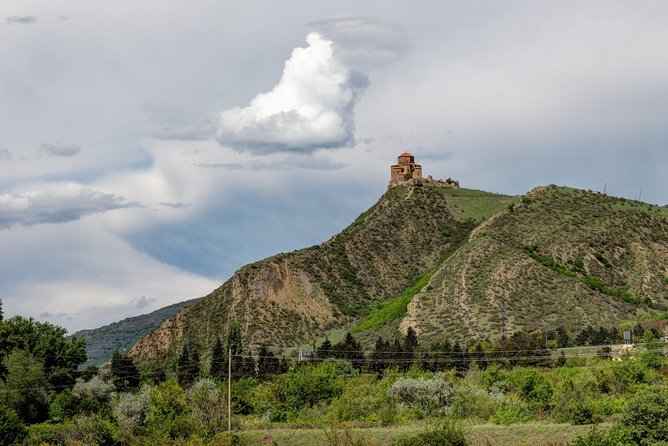
This outing joins four very different parts of Georgia: a Christian hilltop church, an old religious capital, a pre-Christian cave settlement, and the birthplace of Joseph Stalin. That mix is the reason to choose it. You are not spending the day looking at one category of monument.
The route also gives you a break from Tbilisi without requiring several days away. The advertised duration is about nine hours, starting at 9:00 a.m. and returning to the meeting point at 3 Vakhtang Gorgasali Street. The group size is capped at 15, so it is smaller than a large coach tour, though the actual vehicle may still feel full.
At $19 per person, the basic price is unusually low for a full-day excursion with transport and guide service. It is best understood as a low-cost framework, not an all-inclusive day. You will need money for lunch and the optional paid sights, and you should clarify the exact entrance fees before departure. The information supplied gives both 15 and 17 GEL for Uplistsikhe and the Stalin Museum, so allow roughly 30 to 34 GEL if you visit both.
More Gori and Uplistsikhe trips:
- Day Trip to Mtskheta Gori and Uplistsikhe
★ 5.0 · 1,801 reviews - Mtskheta-Gori-Uplistsikhe
★ 5.0 · 112 reviews - Day tour to Chronicles of Georgia, Gori city, Uplistsikhe cave
★ 5.0 · 86 reviews
Jvari Monastery and the view over two rivers
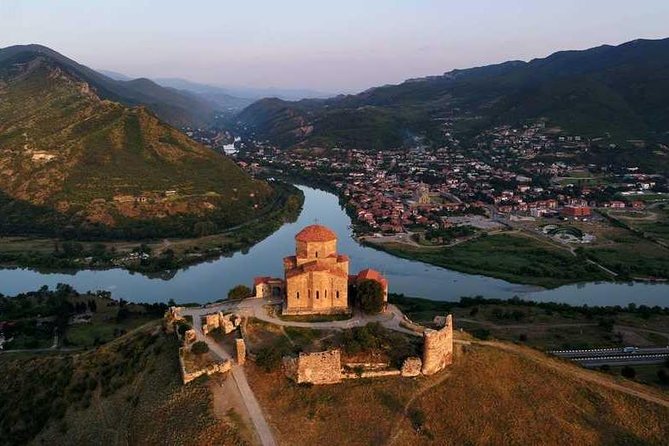
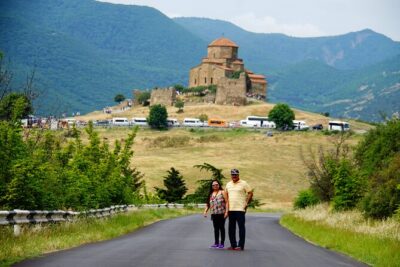
Jvari is the opening stop, and it is a smart one. The monastery sits above Mtskheta, giving you an immediate sense of how the town fits into the surrounding countryside. From here, the Aragvi and Kura rivers meet below, a view closely linked with Georgian literature and the poem Mtsyri by Mikhail Lermontov.
The sixth-century church is the main object of interest, but the setting does much of the work. You look down toward Mtskheta and across the river valleys, so this is the place to take your wide photographs before the day becomes more focused on interiors and stone corridors.
Plan on about an hour. The route around the church may include uneven ground, and the stop is better with shoes that grip. The description also connects the walk with writers and artists such as Pushkin, Tolstoy, Dumas, and Tchaikovsky, which gives your guide a useful doorway into the cultural importance of the area.
Jvari can be exposed to sun and wind. Carry water, and do not assume that a church visit means an entirely easy walk. The view is the prize, but reaching the best vantage points may involve a short climb.
Mtskheta and the power of Svetitskhoveli
From Jvari, the tour moves into Mtskheta, one of Georgia’s most important religious centers. The key stop is Svetitskhoveli Cathedral, whose name is commonly translated as Pillar of the Life-Giving. It serves as the patriarchal cathedral of the Georgian Orthodox Church.
This is likely to be the most satisfying church visit of the day. Jvari gives you the panorama, while Svetitskhoveli gives you the scale, decoration, and religious weight of Mtskheta itself. Inside, your guide should explain the cathedral’s place in Georgian Christianity and the traditions connected with the tunic of Jesus Christ, the mantle of the Prophet Elijah, and the relics of Saint Andrew the First-Called.
Keep your expectations measured around sacred objects. These are religious traditions preserved and honored by the Georgian Orthodox Church, not claims you need to accept in order to appreciate the site. Even if you are not Christian, the cathedral helps explain why Mtskheta matters to Georgia.
The schedule allows about an hour here. That is enough for a guided introduction and personal time, but not for a slow architectural study. If Svetitskhoveli is your main reason for booking, stay close to the guide at the start, then use any free minutes to look carefully at the stonework and interior details.
One useful practical point: the tour information identifies the church entries as included, unlike Uplistsikhe and the Stalin Museum. Still, ask the guide to confirm what is covered on your departure day, since the published details are not perfectly consistent.
Uplistsikhe, an ancient city cut into rock
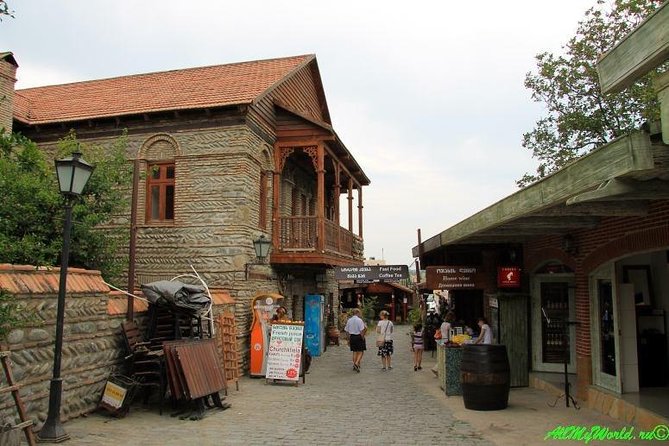
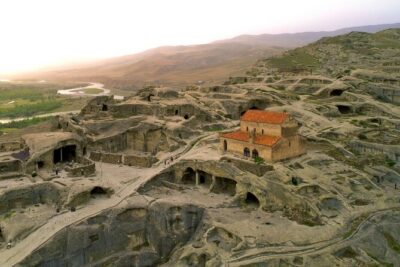
Uplistsikhe changes the mood completely. Instead of a functioning cathedral, you walk through a stone settlement formed in caves and chambers, dating from the end of the second millennium BC into the beginning of the first millennium BC.
The site is not a single cave with a quick photo stop. It is a network of living spaces, work areas, passageways, and ritual sites cut into rock. The guide is meant to explain how the settlement connected with ancient states such as Urartu and Media, and how its trade and importance later declined.
I find this part of the tour especially valuable because it gives you a glimpse of Georgia before Christianity became the central story. You can picture a place shaped by trade, worship, storage, and daily work rather than by grand medieval churches.
The physical side matters. Expect uneven stone, steps, narrow routes, and exposed paths. Comfortable shoes and practical clothing are essential, not optional advice. The upper church and views across the Kura Valley are among the rewarding points, but you need to watch your footing while moving through the site.
The planned stop lasts about two hours and 20 minutes, including time for a local restaurant. That sounds generous, but the site can feel rushed if the group is large, the road takes longer than expected, or the guide spends much of the time translating. Ask at the entrance how much time you have before walking off, and keep track of the meeting point.
Uplistsikhe admission is extra. The supplied details list the charge as 15 GEL in one place and 17 GEL in another. Bring Georgian lari rather than relying on a card. Lunch is also separate, and one meal account describes food that was heavy with oil and service that felt less polished. That may not define your meal, but it is sensible to treat the restaurant as a convenient stop rather than a food highlight.
More Mtskheta and Jvari trips:
- Tbilisi:Mtskheta,Jvari,Bazaar,wine tasting,Chronicles of Georgia
★ 5.0 · 730 reviews - Mtskheta-Jvari-Uplistsike-Chronicle of Georgia, PRIVATE Trip
★ 5.0 · 105 reviews - Tbilisi – Mtskheta – Jvari. Full City Tour on Hop On Hop Off Bus
★ 4.5 · 91 reviews - Ancient Georgia Group Tour: Mtskheta,Jvari, Gori, Uplistsikhe
★ 4.5 · 73 reviews
Gori and the Stalin Museum choice
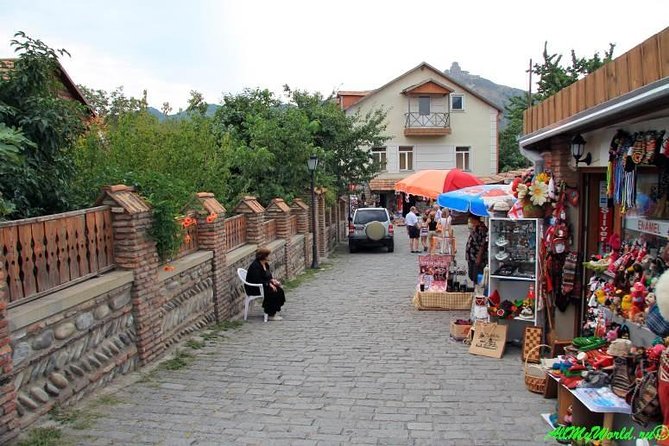
Gori adds a difficult modern chapter. Stalin was born here, and the museum presents his personal belongings, furniture, sculpture, and a guided visit through its rooms. The tour includes the museum only at the group’s request, so this stop may depend on timing and the wishes of the people in your minibus.
The museum is not a simple celebration or a neutral curiosity. It presents a figure responsible for mass repression and death, and the supplied accounts show how strongly people differ in their response to the visit. Some find the museum historically important; others see the presentation as too respectful toward a dictator.
That disagreement is a reason to decide in advance. If you want to understand how Stalin’s birthplace treats his memory, the museum is a relevant stop. If your priority is medieval Georgia, Christianity, or archaeological sites, you may prefer more time at Uplistsikhe or Mtskheta.
Admission is extra, again listed inconsistently as 15 or 17 GEL. The museum visit is scheduled for about an hour, but the exact plan can change because it is described as being taken at the group’s request. Ask clearly whether it will be included, how much time it receives, and whether the bus will wait for people who skip it.
The guide makes or breaks the day
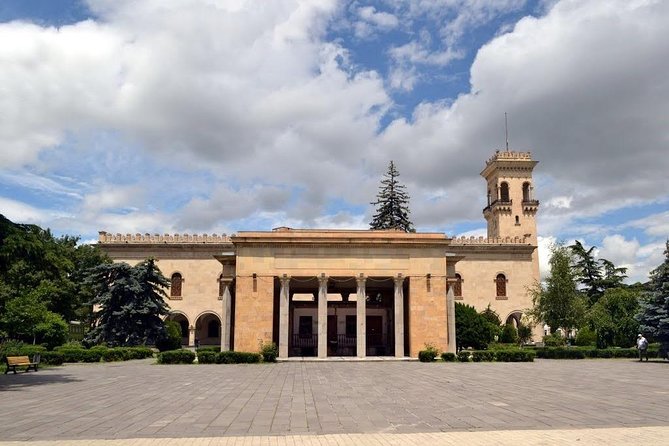
The strongest praise for this outing centers on the guide. Luka is described as making the churches and archaeological sites much more rewarding through clear historical explanations. Paata is praised for a warm manner and strong understanding of Georgian culture. Tornike is noted for explaining a lot in an easy way, and Emilia receives direct praise as a particularly good guide.
Those names are useful, but they do not guarantee who will lead your departure. The provider uses more than one guide, and the quality appears to vary. Some English-speaking participants have found the commentary short, while Russian explanations took up much more of the day. One particularly severe account describes most of the tour being conducted in Russian despite an English booking.
You should confirm three points before paying:
- Is your departure primarily in English?
- Will Russian commentary be delivered at the same time, and if so, how will translation work?
- Which guide and vehicle are assigned to the date?
A bilingual tour can work well when the guide manages both languages evenly. It works poorly when English becomes a quick summary after a long Russian explanation. Since the whole point of hiring a guide is context, this is not a minor issue.
There are also serious but isolated complaints about rude conduct, frequent phone calls, and unsafe driving. The provider’s responses dispute some of these accounts and say it tries to correct problems. I would not treat every complaint as proof of routine behavior, but I would take the warning seriously enough to note the vehicle and guide details and speak up promptly if driving feels unsafe.
Timing, transport, and what to bring
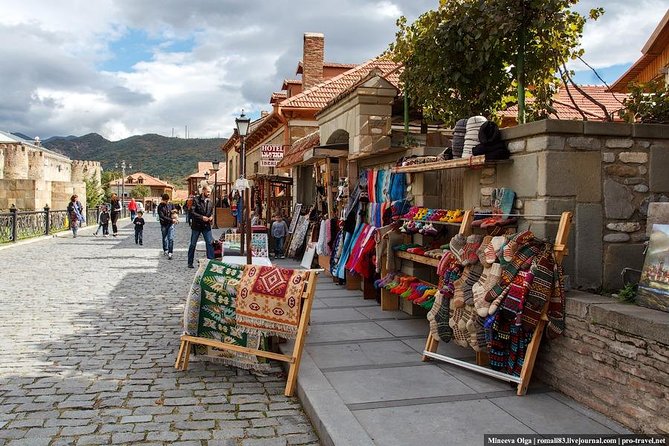
This is a road-heavy day. You will ride between Tbilisi, the Mtskheta area, Uplistsikhe, and Gori, with a return to the original meeting point. The comfortable transport and small maximum group are real advantages, but nine hours can feel long when stops run behind schedule.
The day begins at 9:00 a.m. at 3 Vakhtang Gorgasali Street in Tbilisi. Pickup details should be checked carefully, since one account describes waiting at Liberty Square before joining the vehicle. Do not assume every central location is a direct pickup point.
Bring:
- Comfortable shoes with good grip
- Water and sun protection
- Georgian lari for entry fees and lunch
- Clothing suitable for church visits
- A light layer for Jvari’s exposed hilltop
- Patience for translation and road time
The experience requires good weather. If poor weather causes cancellation, you are offered another date or a full refund. You can cancel for a full refund up to 24 hours before the start time, while changes or cancellations inside that window are not accepted.
Who should book this $19 tour?
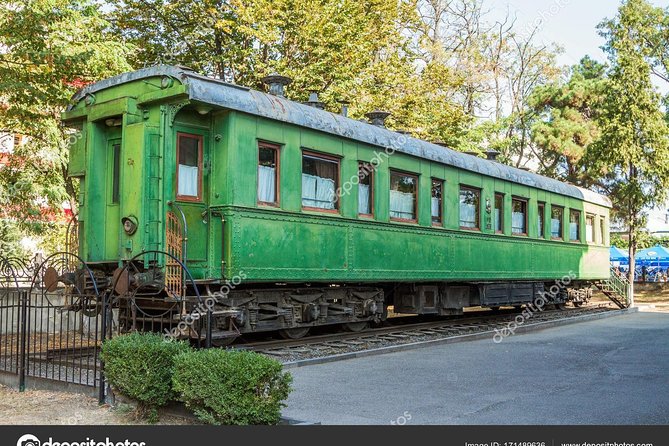
I would choose this trip if I had one free day in Tbilisi and wanted broad coverage rather than a slow visit to one site. The price is strong, the route has real variety, and the churches and Uplistsikhe offer experiences you cannot reproduce by simply walking around the capital.
It suits you best if you are comfortable with a full schedule, shared transport, uneven ground, and a group decision about the Stalin Museum. It also suits first-time visitors who want a guide to connect Georgia’s Christian traditions with its older pagan past.
I would hesitate if your English needs to be consistently detailed, if you dislike optional stops decided on the day, or if you want a relaxed lunch and plenty of personal time. In that case, a private outing or a smaller specialist tour may be worth the extra cost.
Final verdict
Book it for variety, value, and the Jvari to Uplistsikhe contrast, but confirm the language arrangements before you go. The day can be excellent with a strong guide such as Luka, Paata, Tornike, or Emilia, yet the uneven English reports mean the guide assignment matters more than the low price suggests.
If you have only one day outside Tbilisi, this route gives you a convincing introduction to central Georgia. Just budget for the add-ons, wear proper shoes, and treat the schedule as active rather than leisurely.
FAQ
How long does the tour last?
The advertised duration is approximately nine hours. It starts at 9:00 a.m. and returns to the original meeting point in Tbilisi.
Where does the tour start?
The ticket redemption point is 3 Vakhtang Gorgasali Street, Tbilisi 0105, Georgia. The activity ends back at the meeting point.
Is the tour offered in English?
Yes. English is listed as an available language. The tour team also speaks Russian, so confirm how much commentary will be given in English before departure.
Are the Uplistsikhe and Stalin Museum tickets included?
No. Separate admission is required for Uplistsikhe and the Stalin Museum. The supplied information lists each fee as either 15 or 17 GEL, so confirm the current amount and carry extra cash.
Is lunch included?
No. Dinner or lunch costs are not included in the tour price. A restaurant visit is scheduled during the Uplistsikhe portion of the day.
What happens if the weather is poor?
The experience requires good weather. If it is canceled because of poor weather, you can choose another date or receive a full refund.
More Historic Sites near Tbilisi
- Tbilisi old town & soviet heritage – Private driver-guided Tour
★ 5.0 · 83 reviews - A 6-Day Private Expedition into Rich Heritage
★ 5.0 · 34 reviews - Jewish Heritage Walking Tour with Kosher Wine Tasting
★ 5.0 · 15 reviews - Kazbegi-Ananuri-Gudauri: Epic Views & History (Group)
★ 5.0 · 15 reviews
Just added around Tbilisi
- Old tbilisi walking tour & wine tasting★ 5.0 · 9 reviews
- Tbilisi Airport to Gudauri, Bakuriani, Batumi, Tbilisi★ 5.0 · 3 reviews
- Private Adorable City Tour of Tbilisi★ 5.0 · 3 reviews
- Vardzia. Lake Paravani, Khertvisi & Lomisa castle, Rabati★ 4.5 · 12 reviews
- full day Kazbegi-Gudauri-jvari -from Tbilisi★ 5.0 · 6 reviews
- Wine promenade in hospitable Tbilisi★ 5.0 · 17 reviews
- Your unique photo session in Tblisi, Georgia★ 3.5 · 4 reviews
- Private Wine Tour In Kakheti Region with 7 Wines and Lunch★ 5.0 · 3 reviews
Mtskheta Tours, compared.
Mtskheta,Jvari,Bazaar,wine tasting,Chronicles of Georgia
Read our review →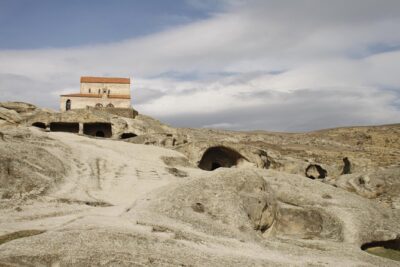
Jvari-Uplistsike-Chronicle of Georgia, PRIVATE Trip
Read our review →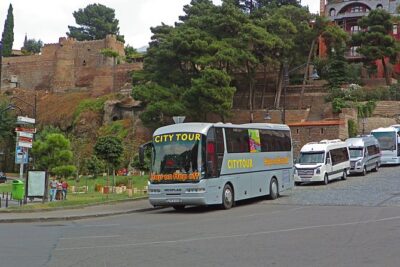
Mtskheta – Jvari. Full City Tour on Hop On Hop Off Bus
Read our review →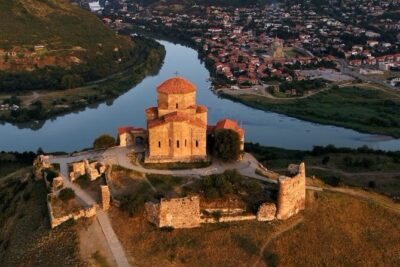
Ancient Georgia Group Tour: Mtskheta,Jvari, Gori, Uplistsikhe
Read our review →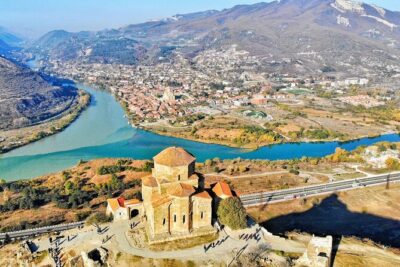
Ancient Mtskheta and Chronicle of Georgia half day tour
Read our review →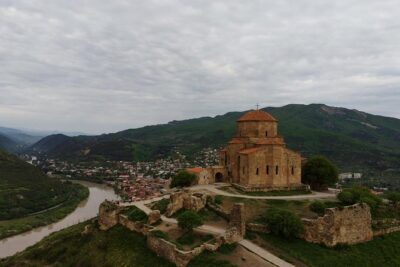
Private Day Trip to Gudauri and Kazbegi from Tbilisi via Jvari and Mtskheta
Read our review →Browse the lists this tour appears in