
Reviewed · SOVIET ERA TOURS
Brutal Tbilisi: Urban exploration and untold stories
Tbilisi’s most revealing buildings are often far from the old town’s balconies and cobbled lanes. This four-hour tour takes you to Soviet-era monuments, refugee housing, an abandoned museum, and the Nutsubidze Skybridge, where architecture becomes a way to understand Georgia’s recent past.
I like the way the tour connects bold concrete design with ordinary life and political change. I also like the personal scale, with a small-group format advertised for up to six people, plus guides such as Alex, Khatuna, Khato, and Aleksi who explain more than dates and building styles.
The main consideration is pace and access. You will drive between several spread-out sites, then walk around large structures and hills. The former Archaeology Museum may feel eerie or physically awkward, and the tour suits adults better than young children.
Key Points at a Glance
- Five very different stops: See the Ministry of Highways, Chronicles of Georgia, the Former Archaeology Museum, Maglivi Bridge, and Nutsubidze Skybridge.
- A look beyond the old town: This is Tbilisi’s Soviet and post-Soviet side, not a standard central walking tour.
- Guides who add context: Alex, Khatuna, Khato, Aleksi, and others explain architecture, Georgian history, displacement, and daily life.
- A practical driving and walking format: Transport links distant sites, while short walks let you inspect buildings up close.
- Strong photo opportunities: The skybridges, concrete forms, hilltop monument, and abandoned museum offer unusual views.
- Good value for the right visitor: At $75 per person, the tour makes sense if you want expert context and access to far-flung places in one half-day.
Why Tbilisi’s Concrete Story Matters
Brutalism is often reduced to gray concrete and severe angles. In Tbilisi, these buildings tell a more complicated story. They reflect Soviet planning, Georgian creativity, changing public needs, and the lives of people who use or occupy these places today.
That makes this tour more than an architecture outing. You get a look at how a city built under Soviet rule has adapted since independence. A former student residence now houses people displaced from Abkhazia. An old university cable car recalls Soviet ideas of progress. An abandoned museum hints at a different cultural future.
I appreciate that the experience does not treat every building as a cold design object. The best moments connect the shape of a place with the people who built it, worked in it, or live there now.
The tour costs $75 per person. That is not the cheapest way to spend four hours in Tbilisi, but the price includes a local English-speaking guide, bottled water, and transport between distant parts of the city. You are paying for route planning, interpretation, and access to places that are difficult to combine on your own.
More Soviet era walks around Tbilisi:
- 1 Day Private Armenia: UNESCO, Soviet & Curated Family Lunch
★ 5.0 · 106 reviews - Tbilisi old town & soviet heritage – Private driver-guided Tour
★ 5.0 · 83 reviews - Armenia: 1 Day Soviet gems, UNESCO + Family lunch (Small group)
★ 5.0 · 68 reviews
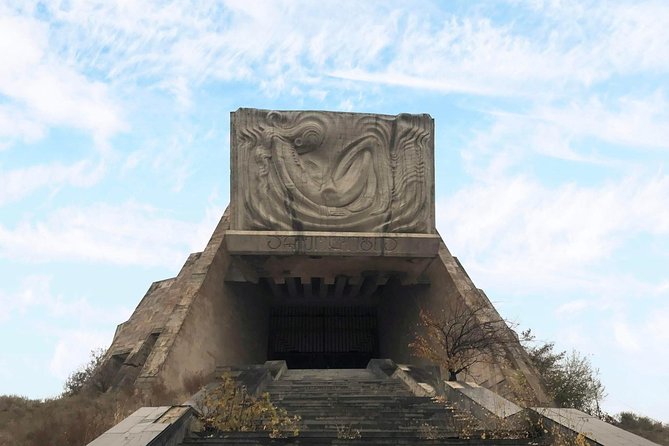
Starting at the Ministry of Highways Building
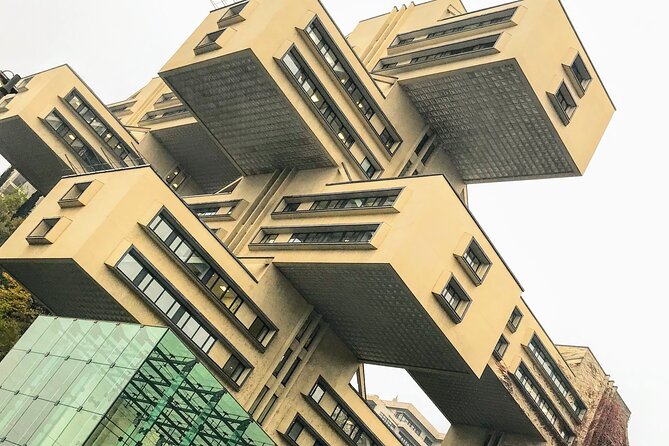
The first major stop is the former Ministry of Highways of the Georgian SSR, now associated with the Bank of Georgia building. Its interlocking concrete forms create a striking mass, with open spaces and projecting blocks that give the structure a sculptural quality.
You will spend about 30 minutes here. That is enough time to take in the exterior, hear how the building fits into Soviet modernist design, and photograph its sharp lines and stacked volumes.
This is a useful opening stop because it shows the tour’s basic approach. The guide can point out how a government building was designed to appear strong and functional, while still using complex geometry. The building is imposing from the outside, but the real value comes from understanding why it looks so different from Tbilisi’s older architecture.
Do not expect a long interior visit here. The stop is listed as free, but the experience focuses on seeing and discussing the building rather than touring a formal museum. If you prefer active explanation and photography to a long indoor visit, the timing works well.
Reading Georgia’s Past at Chronicles of Georgia
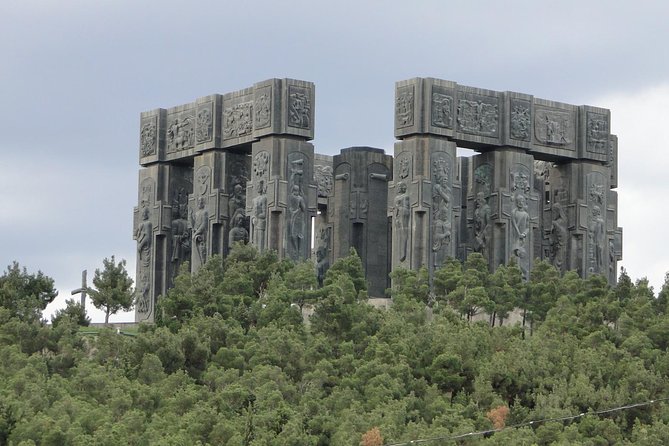
Chronicles of Georgia, also called the Memorial History of Georgia, rises on a hill overlooking Tbilisi. Massive stone pillars carry carved scenes from Georgian history, religion, and mythology.
The 45-minute stop gives you time to walk among the pillars and look closely at the reliefs. You will hear about the formation of the Georgian state, the country’s conversion to Christianity, and the stories that have shaped Georgian identity.
This is not Brutalism in the same way as the Ministry of Highways building. It is monumental and symbolic rather than a practical office structure. That contrast is one of the tour’s strengths. You see how large-scale architecture can express state power, national memory, and cultural pride in very different ways.
The hilltop position also provides broad views over Tbilisi. Bring your camera, but do not let the views distract you from the carvings. The details are easy to miss if you only photograph the pillars from a distance.
The site may require walking on uneven ground, and the exposed hill can feel demanding in hot or windy weather. Wear shoes you can comfortably walk in and dress for the forecast.
The Former Archaeology Museum: The Most Unusual Stop
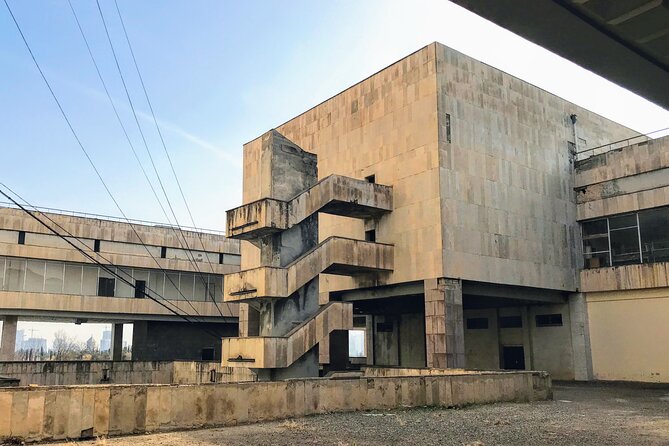
The Former Archaeology Museum is likely to be the tour’s strangest stop. Once a grand cultural institution, it is now abandoned, giving the building an eerie atmosphere that differs sharply from the polished monuments elsewhere in Tbilisi.
The scheduled visit lasts about 30 minutes. You will hear about the museum’s former role and see its architecture in a state of decline. The building’s age, empty spaces, and uncertain future make it more memorable than a standard museum visit.
This stop also explains why the tour is aimed mainly at adults. It is not a tidy attraction with a clear visitor route. Conditions may feel rough, and the tour information calls for a moderate level of physical fitness. One person in a family group chose to sit out this stop, so you should be prepared for the possibility that not everyone in your party will want to explore it.
I would not book this tour expecting a conventional cultural venue. The appeal is the sense of discovery and the chance to see a place most city tours leave out. The drawback is that the condition of the building may not suit anyone who dislikes abandoned sites or uncertain walking surfaces.
More days out of Tbilisi:
- Day Trip to Kakheti Wine Region Including 9 Wine Tastings
★ 5.0 · 2,774 reviews - Highlights of Caucasus Mountains-Jinvali,Ananuri,Gudauri,Kazbegi(Group tour)
★ 5.0 · 2,682 reviews - Day Trip to Kazbegi and Gudauri
★ 5.0 · 2,009 reviews - Day Trip to Mtskheta Gori and Uplistsikhe
★ 5.0 · 1,801 reviews
Maglivi Bridge and the Human Side of Soviet Housing
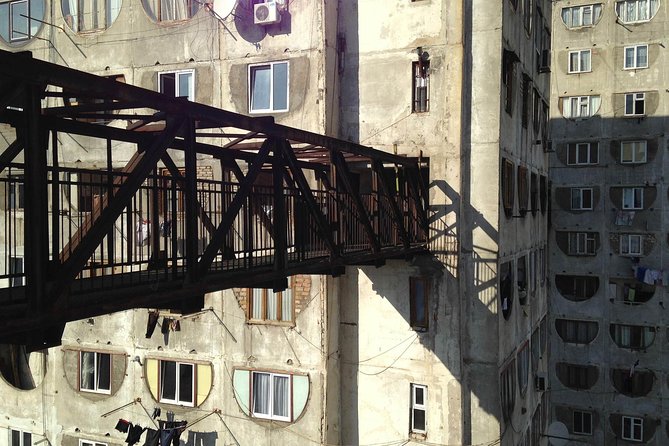
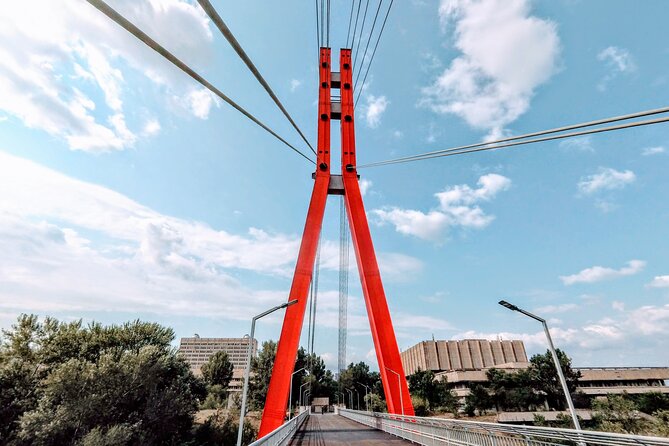
At Maglivi Bridge, the focus shifts from monumental architecture to daily life. The area includes former student dormitories that now house refugees displaced from their homes, including people from Abkhazia.
This part of the tour gives the concrete buildings a human meaning. The dormitories were built for student life and education, but their later use reflects war, displacement, and the practical pressures of modern Georgia.
You will also hear about the old cable car in the university district. It was once linked with ideas of progress and efficient urban movement. Today, it works as a reminder of how the city’s needs and ambitions have changed.
The stop lasts around 30 minutes. It may not offer the same dramatic photo opportunity as Nutsubidze Skybridge, but it adds some of the most important context of the day. I value this pause because it prevents the tour from turning Soviet architecture into mere scenery.
Treat this area with care. You are looking at places connected to people’s homes and difficult experiences, not an empty film set. A respectful guide should help you understand what you are seeing without turning residents into an attraction.
Crossing the Nutsubidze Skybridge
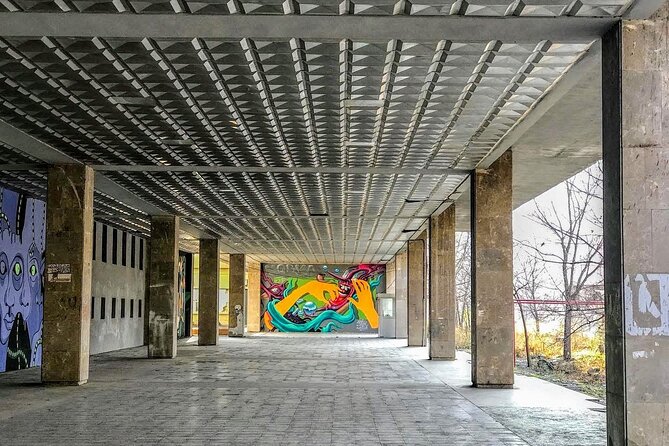
The Nutsubidze Skybridge is one of the tour’s signature stops. Twin residential towers are connected by elevated bridges, allowing you to walk between them around 70 meters above the ground.
You will spend about 45 minutes here. The bridges provide unusual views across Tbilisi and a close look at the practical, almost futuristic thinking behind the complex. The design is not just decorative. The elevated links connect buildings in a way that changes how residents move through the neighborhood.
This is also where you might meet the local lift operator, often referred to as the lift lady. The encounter has become a memorable part of the experience, but it should be understood as a human interaction rather than a guaranteed performance. The elevator system and the person operating it help show how these large residential projects function in everyday life.
The skybridge can be the tour’s best photo stop, but take care if heights make you uneasy. The experience includes walking across elevated bridges, and you should be comfortable with that before booking.
What the Guides Add
The quality of this tour depends heavily on the guide. The strongest part of the experience is not simply reaching the buildings. It is having someone explain what you are looking at and answer questions as the day unfolds.
Alex is repeatedly described in the supplied material as friendly, flexible, and full of information about Georgia. He has also helped adjust timing for photographs and, in one case, arranged an airport drop-off while allowing for traffic. Khatuna and Khato are praised for their warmth, patience, jokes, and ability to explain Soviet architecture without making the subject dry.
Aleksi is another guide associated with the tour. He is described as personable and able to connect architecture with wider Georgian history. Iona is also named as a friendly guide who allows time at each site rather than rushing people from stop to stop.
The guide names do not guarantee who you will get on your date. Still, the pattern is clear: this tour works best when you ask questions. One four-star experience points to a communication issue in which some questions were not answered clearly. That is worth keeping in mind, especially if you want detailed discussion. Ask for clarification when needed, and tell the guide if you would like more time at a particular site.
Driving, Walking, and Group Size
The tour begins at the Giant Bicycle monument on Rose Revolution Square and returns to the same meeting point. Hotel pickup is available only with private tours, so the standard option requires you to reach the meeting point yourself.
The route covers widely separated parts of Tbilisi, so this is not a four-hour walk. It is a driving and walking experience, with a vehicle connecting the main stops and short walks at each location. The transport makes the price easier to justify because reaching all five sites independently would take planning and time.
The highlights describe a maximum group of six, while the additional tour information lists a maximum of 14 participants. Confirm the group size at booking if the small-group format is important to you. A smaller group usually makes it easier to ask questions, take photographs, and adjust the pace.
The tour requires moderate physical fitness. You should expect some walking, outdoor exposure, and possibly uneven conditions at the Former Archaeology Museum. Comfortable shoes are more useful than stylish ones, and your clothing should match the weather.
Who Will Get the Most From This Tour
I would choose this tour if you have already seen central Tbilisi and want a different side of the city. It suits people interested in Soviet history, Brutalist and modernist design, photography, urban change, and the everyday impact of political events.
It is also a good choice if you like guided interpretation but do not want a standard checklist of churches and old streets. The experience fills a gap left by a typical old-town walk. You see how Tbilisi developed in the twentieth century and how those structures continue to shape life now.
You may want to skip it if your idea of a good city tour means elegant interiors, famous paintings, or easy walking on polished paths. Families with young children may prefer a more family-focused activity, since this tour is designed mainly for adults.
The tour is offered in English. Bottled water is included, but lunch is not. Four hours is long enough to build an appetite, so plan your meal before or after the experience.
Is $75 a Fair Price?
At $75, this tour costs more than simply visiting public viewpoints or taking public transport to one monument. The value comes from the complete route and the guide’s interpretation.
You visit five distinct sites, several of which are outside the normal sightseeing circuit. The transport saves you from piecing together a route across Tbilisi, while the guide adds historical and social context that you would be unlikely to get from a quick photo stop.
The price is strongest for a first-time visitor who wants to understand modern Tbilisi in one half-day. It is less compelling if you already know the city well, have access to a local architecture expert, or only want to photograph buildings without much explanation.
Free cancellation is available until 24 hours before the start time. Changes or cancellations inside that window are not accepted, so make your plans carefully.
Should You Book Brutal Tbilisi?
Book it if you want Tbilisi beyond the old town. The Ministry of Highways building, the hilltop Chronicles of Georgia, the abandoned Archaeology Museum, refugee housing, and Nutsubidze Skybridge create a varied day with real historical weight.
I especially recommend it to architecture fans who want more than a list of famous structures. You will see concrete forms, elevated walkways, Soviet planning, and post-Soviet adaptation, but you will also hear about the people who live with the results.
Skip it if you dislike abandoned places, elevated bridges, or a tour that asks you to think about displacement and political change. For the right visitor, though, this is one of the more useful ways to understand the Tbilisi that exists beyond its postcard center.
FAQ
How long is Brutal Tbilisi?
The tour lasts approximately four hours.
How much does the tour cost?
The listed price is $75 per person.
Where does the tour begin?
It begins at the Giant Bicycle monument on Rose Revolution Square in Tbilisi.
Where does the tour end?
The activity ends back at the meeting point.
Is hotel pickup available?
Hotel pickup is available only for private tours.
What language is the tour offered in?
The tour is offered in English.
What places does the tour visit?
The route includes the former Ministry of Highways of the Georgian SSR, Chronicles of Georgia, the Former Archaeology Museum, Maglivi Bridge, and Nutsubidze Skybridge.
Is lunch included?
No. Bottled water is included, but lunch is not.
What physical condition do I need?
You should have a moderate level of physical fitness. The tour includes driving, walking, outdoor sites, elevated bridges, and a visit to a former museum that may have rough or uneven conditions.
Just added around Tbilisi
- Old tbilisi walking tour & wine tasting★ 5.0 · 9 reviews
- Tbilisi Airport to Gudauri, Bakuriani, Batumi, Tbilisi★ 5.0 · 3 reviews
- Private Adorable City Tour of Tbilisi★ 5.0 · 3 reviews
- Vardzia. Lake Paravani, Khertvisi & Lomisa castle, Rabati★ 4.5 · 12 reviews
- full day Kazbegi-Gudauri-jvari -from Tbilisi★ 5.0 · 6 reviews
- Private Wine Tour In Kakheti Region with 7 Wines and Lunch★ 5.0 · 3 reviews
- Wine promenade in hospitable Tbilisi★ 5.0 · 17 reviews
- Your unique photo session in Tblisi, Georgia★ 3.5 · 4 reviews
Soviet Era Tours, compared.
1 Day Private Armenia: UNESCO, Soviet & Curated Family Lunch
Read our review →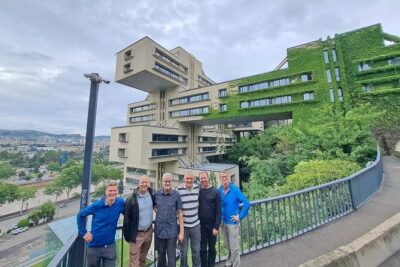
Tbilisi old town & soviet heritage – Private driver-guided Tour
Read our review →
Armenia: 1 Day Soviet gems, UNESCO + Family lunch (Small group)
Read our review →
Soviet past – Private day tour to Chiatura, Katskhi pillar and Chronicles
Read our review →
Soviet Story – Private day trip to Chiatura, Stalin’s museum and Katskhi pillar
Read our review →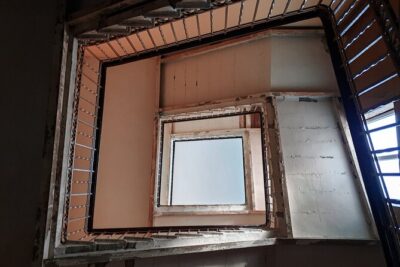
2-Day Kutaisi Tour: Caves, Canyons & Soviet Sanatoriums
Read our review →Browse the lists this tour appears in