
Reviewed · SOVIET ERA TOURS
Tskhaltubo Old Soviet Spa Tour
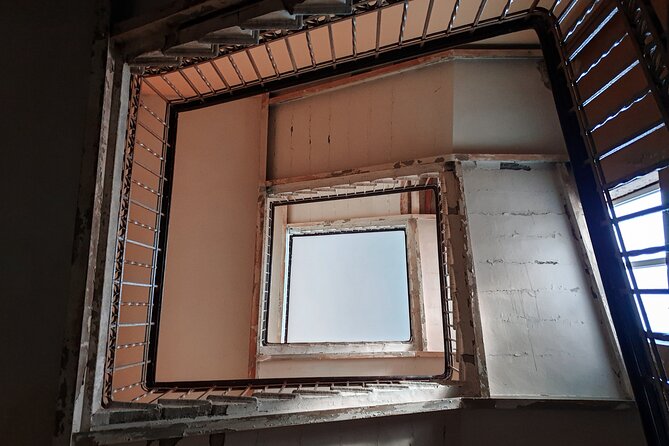
Tskhaltubo is not a polished spa town today. It is a place of grand, crumbling sanatoriums, empty treatment halls, and warm mineral springs that once drew daily trains from Moscow. I like that this tour puts the ruins into context, and I like that guide Akaki takes you to several complexes rather than showing you one aging building and calling it a day.
The photo opportunities are a real plus, especially if you enjoy Soviet architecture or atmospheric places seen in films. The main caution is communication: one serious booking problem involved a changed start time, an unexpected group, and confusion about the advertised private format. Confirm the details before you set out.
Key points to know before booking
- Tskhaltubo’s Soviet spa past: Learn how the town grew into a major medical resort, with 18 sanatoriums and mineral-water treatment.
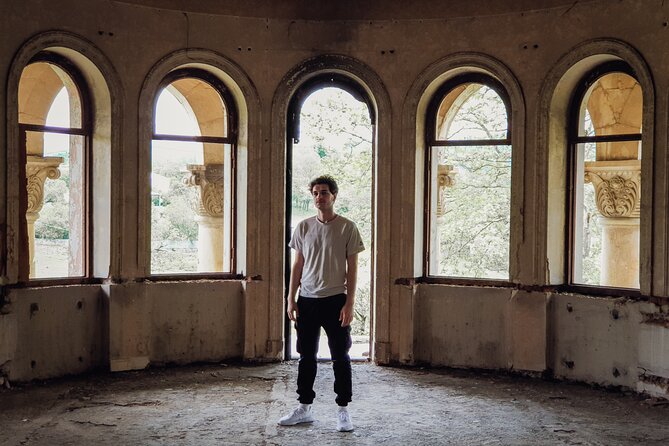
- Several abandoned complexes: The buildings differ in design and former purpose, so the visit is more varied than a single ruin stop.
- Akaki as guide: He is praised for his Soviet-era background, friendly manner, safety awareness, and eye for good photographs.
- About three and a half hours: The tour starts at 2 p.m. and returns to the meeting point in Kutaisi.
- Private-tour wording needs checking: The activity is described as private, but one booking account reports being moved into a group without proper notice.
- Best for curious explorers: You need moderate physical fitness, and the appeal is history, architecture, and atmosphere rather than a modern spa treatment.
Why Tskhaltubo is worth your afternoon
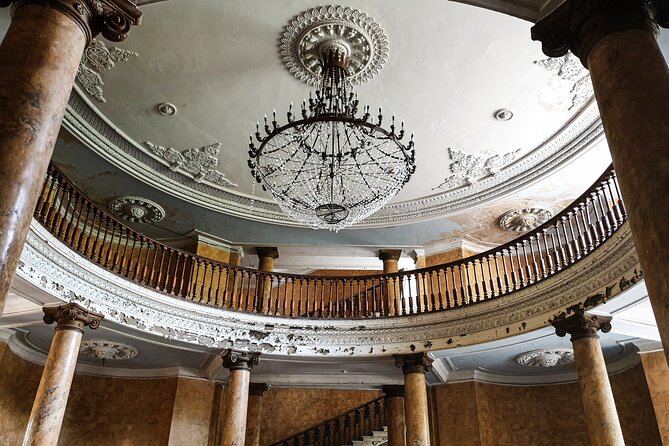
The most interesting thing about Tskhaltubo is the contrast. The town was once a carefully planned Soviet health resort, yet many of its grand buildings now sit unused and weathered. You are not simply looking at old walls. You are seeing the remains of a system that treated mineral bathing as serious medicine and used architecture to express state power and comfort.
The springs had attracted attention long before the Soviet period. Foreign researchers wrote about their healing properties from the 18th century onward. In 1920, the territory became state property and was assigned the role of a balneology resort. Balneotherapy means treating illness through bathing in mineral-enriched water, and Tskhaltubo was built around that idea.
By the 1950s, the town had become an important Soviet spa destination. Construction on its 18 sanatoriums began in the 1920s, and by the 1980s, trains arrived daily from Moscow. That scale matters. It helps you read the abandoned buildings as part of a large public health and holiday system, not just as isolated ruins.
I like this kind of historical setting because the evidence is physical. A guide can point out the size of a former complex, explain its purpose, and show how the town was arranged around treatment and rest. Without that background, you might only see peeling plaster and broken windows.
More Soviet era walks around Kutaisi:
- Day Tour to Georgian sky venice, Soviet city Chiatura
★ 5.0 · 5 reviews - 1 Day Private Armenia: UNESCO, Soviet & Curated Family Lunch
★ 5.0 · 106 reviews - Tbilisi old town & soviet heritage – Private driver-guided Tour
★ 5.0 · 83 reviews
Walking through the former Soviet Riviera
The tour’s single listed stop is Tskhaltubo, but the experience is built around visiting several former sanatoriums and spa complexes there. Each has a different appearance and former role. That variety keeps the outing moving and gives you a better sense of how large the resort once was.
Expect a mix of broad institutional architecture, empty interior spaces, and details that hint at a more comfortable past. You might see grand entrances, decorative features, overgrown areas, and rooms stripped of their original purpose. The draw is not fine restoration. It is the tension between the buildings’ former importance and their current condition.
This is also where having a guide matters. Abandoned sites can look confusing, and the most interesting details are not always the largest ones. Akaki is praised for explaining the Soviet period and for knowing which angles make the strongest photographs. That can save you from wandering through the same space without understanding what you are seeing.
The guide’s approach appears especially useful for visitors who want more than dramatic pictures. You can ask how the resort functioned, why the springs mattered, and how Tskhaltubo fitted into Soviet holiday culture. The tour is in English, so you can discuss the setting rather than relying on signs or guesswork.
The springs and the medical side of the town
Tskhaltubo’s mineral water is central to the town’s identity. The water comes out at a comfortable bathing temperature and is transferred directly from the springs to the baths without cooling or heating. That detail gives the resort a practical advantage: the treatment water was ready for use as it emerged.
The water was associated with treatment for diseases of the limbs, the peripheral nervous system, and the skin. It was also used in connection with cardiac and vascular conditions. You should treat these claims as part of the resort’s medical history, not as a promise about modern health benefits from this tour.
This experience is not presented as a current spa treatment. You are examining the buildings and learning how the resort worked. If your main goal is a massage, a swim, or a modern mineral bath, this is the wrong choice. If you want to understand why the town grew so large, the springs provide the essential explanation.
That distinction is useful when planning your day. Tskhaltubo may look like an abandoned architectural site, but it began as a health destination. The tour connects the water, the treatment buildings, and the Soviet state’s interest in organized medical holidays.
What makes guide Akaki important
Akaki is the guide named in the available tour information, and the strongest praise centers on his personal approach. He is described as warm, punctual on pickup, easy to talk with, and well prepared on Soviet history. He also pays attention to safety inside the buildings and helps identify strong places for photographs.
Those details are more valuable here than a polished speech. The setting can involve old structures, uneven surfaces, or uncertain routes, so a guide who watches where you go adds practical value. The safety point is worth taking seriously because this is not a standard museum visit with neatly marked paths.
Akaki’s photo help is another useful touch. Abandoned architecture can be difficult to photograph well. A guide who knows the buildings can help you frame stairways, facades, open halls, or decorative remnants in a way that shows scale. You still need to bring your own camera or phone, of course, but the local eye can make a difference.
His Soviet-era background also suits the subject. The tour’s success depends on context: what the buildings were for, who used them, and why Tskhaltubo mattered. A guide who can connect those points makes the visit feel like a chapter of Georgian and Soviet history rather than a random walk through derelict structures.
More spas and hot springs in Kutaisi:
- Martvili Canyon Prometheus Cave And Hot Springs From Batumi
★ 5.0 · 20 reviews
Timing, pickup, and group size
The scheduled start is 2 p.m., and the experience lasts about 3 hours and 30 minutes. It begins at Free Walking Tour Kutaisi, at Gelati Kutaisi in Kutaisi, and ends back at the meeting point. Pickup is offered, but you should confirm the exact arrangement rather than assume that hotel pickup is automatic.
The afternoon timing works well if you want a substantial outing without giving up the whole day. It also gives you time to reach the meeting point in Kutaisi before departure. Since the activity returns to its starting place, you can plan the rest of your evening from there.
The activity is offered in English and is described as private, with only your group participating. That is a major advantage if you want to ask detailed questions or pause for photographs. A private format usually gives you more freedom than a fixed group, particularly at a place where one building may hold your attention longer than another.
However, you should confirm the private arrangement and start time after booking. One particularly poor booking experience involved a time change that was not communicated clearly, the addition of four other people, and a dispute over the price for a single participant. That account is serious enough to act on, even though the other available feedback is strongly positive.
Send a clear message asking for four details: the start time, meeting point, pickup plan, and whether the tour will remain private. Keep the confirmation. This takes little effort and can prevent a frustrating wait in Kutaisi.
Is $78.27 a fair price?
At $78.27 per person, this is not a bargain-priced walk. The value depends on what you want from Tskhaltubo and on the size of your party.
For one person or a couple, the price buys more than transport to a former spa town. You are paying for a guide who can explain the resort’s development, show several complexes, help with photographs, and keep an eye on safety. Those services matter in a place where the buildings do not explain themselves.
The price is easier to justify if you care about Soviet history, architecture, photography, or unusual places near Kutaisi. It is less attractive if you only want a quick look at an abandoned building. A short independent visit might cost less, but you would lose the route planning and historical explanation that form the heart of this experience.
The private format also affects the calculation. If you are sharing the experience only with your own party, the cost can make sense for a focused afternoon. If the provider adds other people, as happened in one reported case, the value changes. That is why confirming the group arrangement is not a minor detail.
Who will enjoy this tour most
I would choose this experience if you like places with visible layers of history. It suits people who enjoy Soviet architecture, former public institutions, photography, and stories about how ordinary life was organized under the Soviet system.
It should also appeal to fans of post-apocalyptic television and film settings. The old sanatoriums can have the stark, overgrown atmosphere associated with shows such as The Last of Us and The Walking Dead. The difference is that this place has a documented medical and political past, which gives the mood more substance.
You will get the most from the tour if you ask questions. The setting invites curiosity: Why were so many sanatoriums built? Who came by train from Moscow? How did mineral bathing fit into Soviet medicine? The guide’s role becomes more useful when you want those answers.
This is not the best choice for anyone wanting a relaxed spa day, a fully restored historic site, or guaranteed easy walking. The activity calls for moderate physical fitness, and the experience centers on former complexes rather than modern comforts.
Practical concerns before you go
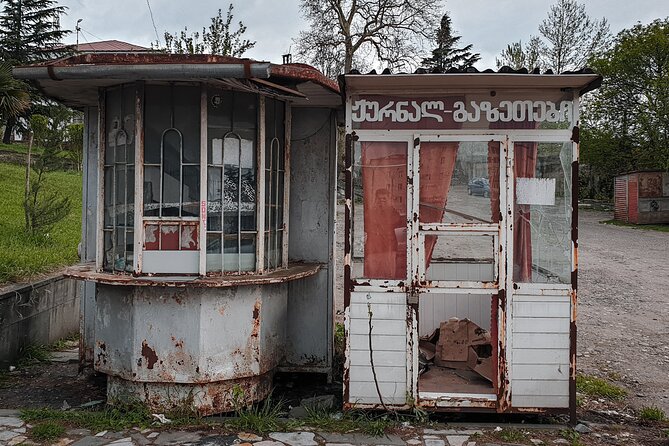
Wear clothing and shoes suitable for walking through old buildings. The information provided does not specify the exact condition of every site, but the tour’s safety guidance and moderate fitness requirement suggest that you should not expect a smooth museum route.
Give yourself enough time to reach the meeting point before 2 p.m. If you are relying on pickup, confirm where and when it will happen. The tour is near public transportation, but no detailed transport instructions are provided, so do not leave the arrival plan until the last minute.
The activity requires good weather. If poor weather causes cancellation, you are offered another date or a full refund. The same applies if the minimum number of participants is not met, with the option of a different date or experience, or a full refund.
You can cancel for a full refund up to 24 hours before the start time. Changes made less than 24 hours before departure are not accepted, and a late cancellation is not refunded. Those rules are standard enough, but the weather requirement makes it wise to keep a little flexibility in your Kutaisi schedule.
How this compares with exploring alone
You could try to find Tskhaltubo’s old sanatoriums independently, but the experience would be less certain. The tour takes you to several different complexes, and its guide knows the history behind them. That route saves research time and helps you see the town as one connected resort.
Going alone might suit an experienced urban explorer who wants to set an entirely personal pace. It may also cost less, depending on your transport and plans. But you would have less help identifying the former uses of the buildings, finding strong photo positions, and judging which areas deserve caution.
The guide is the main reason to book. The ruins are the setting, but the explanation turns them into a meaningful visit. I would not choose this tour simply because you need transportation to Tskhaltubo. I would choose it because you want a guided reading of the town.
Should you book the Tskhaltubo Old Soviet Spa Tour?
I would book it if you are staying in Kutaisi and want an unusual half-day outing with real historical weight. The combination of Soviet spa history, abandoned sanatoriums, mineral springs, and Akaki’s reported attention to safety and photography gives the tour a clear purpose.
I would pause if your schedule is tight, if you dislike old or uneven buildings, or if your main goal is bathing in mineral water. I would also confirm the time, pickup, and private format in writing because the communication problem reported by one customer is too specific to ignore.
For history fans, photographers, and curious explorers, this is one of the more distinctive experiences available near Kutaisi. Go for the story behind the ruins, not just the ruins themselves.
FAQ
Where does the Tskhaltubo Old Soviet Spa Tour start?
The listed meeting point is Free Walking Tour Kutaisi at Gelati Kutaisi, Kutaisi 4600, Georgia.
What time does the tour begin?
The scheduled start time is 2 p.m.
How long does the experience last?
The tour lasts approximately 3 hours and 30 minutes.
Where does the tour end?
The activity ends back at the meeting point in Kutaisi.
Is pickup available?
Pickup is offered, but you should confirm the exact pickup details with the provider before the tour.
Is the tour offered in English?
Yes. The experience is offered in English.
Is this a private tour?
The activity is described as a private tour or activity for your group only. Because one booking account reported being placed in a group unexpectedly, confirm this arrangement before departure.
What happens if I need to cancel?
You can cancel up to 24 hours before the start time for a full refund. Cancellations or changes made less than 24 hours before the start time are not accepted for a refund.
Just added around Kutaisi
- Day Tour to Georgian sky venice, Soviet city Chiatura★ 5.0 · 5 reviews
- Ski & Snow Tour to Bakuriani from Kutaisi with Borjomi Stop★ 5.0 · 5 reviews
- Tskaltubo-Prometheus Cave-Geguti★ 5.0 · 6 reviews
- Gelati, Prometheus, Sanatoriums and Wine tour★ 5.0 · 11 reviews
- Kutaisi Airport to Tbilisi Private Transfer★ 5.0 · 3 reviews
- Break Bread with Kutaisi Locals★ 5.0 · 4 reviews
- Prometheus Cave & Martvili Canyon Tour from Kutaisi★ 5.0 · 11 reviews
- Prometheus cave, Martvili canyon, Okatse waterfall and Lomina lake from Kutaisi★ 4.0 · 17 reviews
Soviet Era Tours, compared.
1 Day Private Armenia: UNESCO, Soviet & Curated Family Lunch
Read our review →
Tbilisi old town & soviet heritage – Private driver-guided Tour
Read our review →
Armenia: 1 Day Soviet gems, UNESCO + Family lunch (Small group)
Read our review →
Brutal Tbilisi: Urban exploration and untold stories
Read our review →
Soviet past – Private day tour to Chiatura, Katskhi pillar and Chronicles
Read our review →
Soviet Story – Private day trip to Chiatura, Stalin’s museum and Katskhi pillar
Read our review →
2-Day Kutaisi Tour: Caves, Canyons & Soviet Sanatoriums
Read our review →Browse the lists this tour appears in